




How to choose professional skincare for your skin concerns
Selecting professional skincare that genuinely addresses your specific skin concerns can feel overwhelming. With countless products claiming transformative results and complex ingredient lists, many struggle to identify which treatments will deliver real improvements for issues like hyperpigmentation, acne scarring, or premature ageing. Prescription options like hydroquinone and tretinoin offer powerful, clinically proven solutions, but understanding how to choose and use them safely requires informed decision making grounded in evidence and personalised assessment.
Table of Contents
- Understanding Your Skin Concerns And Goals
- Key Professional Skincare Ingredients And Their Benefits
- Choosing The Right Formulation And Combination For Your Skin
- Practical Steps To Select And Introduce Professional Skincare
- Explore Professional Skincare Solutions Tailored To Your Needs
- FAQ
Key takeaways
| Point | Details |
|---|---|
| Professional skincare selection depends on skin type and concern | Matching active ingredients to your specific issues like pigmentation or acne scarring ensures targeted, effective treatment. |
| Prescription actives like tretinoin and hydroquinone are highly effective for complex issues | These medical-grade ingredients deliver clinically proven results but require professional guidance for safe use. |
| Understanding ingredient combinations and potency helps reduce irritation | Strategic pairing and gradual introduction of actives minimises side effects whilst maximising benefits. |
| Formulation and delivery systems influence effectiveness significantly | Advanced technologies like liposomes enhance penetration and results beyond simple ingredient lists. |
| Consultation and gradual introduction improve results and safety | Professional assessment and careful implementation protocols prevent irritation and optimise outcomes. |
Understanding your skin concerns and goals
Identifying your specific skin concerns forms the foundation for choosing effective professional skincare. Different issues demand distinct treatment approaches: acne scars respond to collagen-stimulating actives, hyperpigmentation requires melanin-inhibiting ingredients, premature ageing benefits from cell turnover accelerators, and rosacea needs anti-inflammatory compounds. Understanding the severity of your concern helps determine whether over-the-counter formulations suffice or whether prescription-strength products become necessary.
Clear goals guide your selection of targeted active ingredients. For instance, post-inflammatory hyperpigmentation from acne requires different actives than melasma or sun damage. Acne scars often improve significantly with retinoids that stimulate collagen turnover and remodel skin texture. Knowing whether you’re addressing surface discolouration or deeper textural changes influences potency requirements and treatment duration expectations.
Professional skincare targets these concerns with clinically validated actives that deliver measurable improvements. Establishing realistic timelines matters: superficial concerns may respond within weeks, whilst deeper structural changes require months of consistent use. A prescription-strength skincare checklist helps you assess readiness for medical-grade treatments and set appropriate expectations.
Severity assessment determines treatment intensity. Mild pigmentation might respond to niacinamide or azelaic acid, whilst stubborn melasma often requires prescription hydroquinone combinations. Similarly, fine lines may improve with lower-strength retinoids, but significant photoaging typically demands tretinoin’s more robust collagen stimulation.
Key professional skincare ingredients and their benefits
Professional skincare relies on specific active ingredients with substantial clinical evidence supporting their effectiveness. Understanding these actives empowers informed choices aligned with your skin concerns.
Retinoids, particularly prescription tretinoin, represent the gold standard for multiple skin concerns. Topical tretinoin significantly reduces fine lines and wrinkles up to 50% after six months of consistent use. These vitamin A derivatives accelerate cell turnover, stimulate collagen production, and improve skin texture. Medical-grade retinoids stimulate collagen and cell turnover, leading to up to 40% improvement in acne scar texture over six to twelve months.
Hydroquinone remains the most effective topical agent for melanin inhibition and hyperpigmentation treatment. This prescription-only ingredient blocks tyrosinase, the enzyme responsible for melanin production. Due to its potency, hydroquinone requires professional guidance and careful monitoring, particularly regarding duration of use and concentration.
Niacinamide offers versatile benefits with excellent tolerability. Niacinamide reduces inflammation and hyperpigmentation, aiding in acne scar treatment and skin tone improvement. This vitamin B3 derivative strengthens the skin barrier, regulates sebum production, and works synergistically with other actives to enhance results whilst minimising irritation.
Azelaic acid provides dual anti-inflammatory and antibacterial properties, making it particularly valuable for acne and rosacea management. Azelaic acid reduces inflammatory acne lesions by 50-70%, whilst simultaneously addressing post-inflammatory hyperpigmentation. Its tyrosinase-inhibiting properties complement other pigment-correcting treatments.
Pro Tip: Understanding the clinical skincare science behind these ingredients helps you evaluate product claims critically and choose formulations backed by genuine research rather than marketing hype.
| Ingredient | Primary Benefits | Skin Concerns Addressed |
|---|---|---|
| Tretinoin | Collagen stimulation, cell turnover, texture improvement | Acne scars, wrinkles, photoaging, uneven texture |
| Hydroquinone | Melanin inhibition, pigment lightening | Melasma, hyperpigmentation, dark spots |
| Niacinamide | Barrier strengthening, inflammation reduction, tone evening | Acne, redness, uneven tone, barrier damage |
| Azelaic Acid | Anti-inflammatory, antibacterial, mild pigment inhibition | Acne, rosacea, post-inflammatory hyperpigmentation |
Choosing the right formulation and combination for your skin
Formulation quality significantly impacts treatment outcomes beyond ingredient lists alone. Advanced delivery systems like liposomes, microsponges, and time-release technologies enhance penetration depth and reduce irritation by controlling active release rates. These sophisticated formulations allow higher concentrations whilst maintaining tolerability.
Efficacy depends on formulation, delivery systems, and individual skin characteristics such as pH and barrier function. Two products containing identical active percentages may deliver vastly different results based on vehicle, stabilisation, and penetration enhancement technologies.
Combination creams provide synergistic effects by targeting multiple pathways simultaneously. Triple combination creams containing hydroquinone, tretinoin, and fluocinolone acetonide are most effective for melasma with low risk of skin atrophy, showing 81-94% improvement over twelve months. These prescription formulations balance efficacy with safety through carefully calibrated ratios and buffering agents.
However, combining actives requires knowledge to avoid counterproductive interactions. Certain combinations reduce stability or increase irritation: benzoyl peroxide can oxidise tretinoin, reducing its effectiveness. Layering multiple exfoliating acids without adequate barrier support often triggers inflammation rather than improvement.
Gradual introduction remains crucial for prescription-strength formulations. Starting with lower frequencies allows your skin to build tolerance, reducing purging and irritation. Many dermatologists recommend beginning tretinoin twice weekly, then slowly increasing as tolerance develops. Pairing potent actives with barrier-supporting ingredients like ceramides and niacinamide buffers irritation whilst maintaining efficacy.
Pro Tip: Hydroquinone treatment benefits from strategic breaks every few months to prevent potential pigment rebound and maintain sensitivity, making professional oversight essential for long-term success.
| Combination Strategy | Benefits | Considerations |
|---|---|---|
| Tretinoin + Niacinamide | Enhanced tolerance, reduced irritation, improved barrier function | Apply niacinamide before tretinoin to buffer irritation |
| Hydroquinone + Tretinoin + Steroid | Maximum pigment reduction, accelerated results, inflammation control | Requires professional monitoring, time-limited use |
| Azelaic Acid + Retinoid | Dual action on acne and pigmentation, complementary mechanisms | Introduce separately, then combine once tolerance established |
| Vitamin C + Retinoid | Antioxidant protection, collagen synthesis support | Use vitamin C mornings, retinoid evenings to avoid interaction |
Practical steps to select and introduce professional skincare
Implementing professional skincare requires systematic assessment and careful introduction to maximise results whilst minimising adverse effects. Follow these evidence-based steps for safe, effective treatment.
-
Assess your current skin condition and tolerance level. Document your concerns with photographs, note previous product reactions, and evaluate your barrier function. Compromised barriers require repair before introducing potent actives.
-
Consult a skincare professional for prescription options. Products containing tretinoin and hydroquinone require professional evaluation and prescription due to their potency and potential side effects. Virtual consultations provide convenient access to expert guidance.
-
Introduce one active ingredient at a time with patch testing. Apply new products to a small area for 48 hours before full-face application. Wait at least two weeks between adding new actives to isolate any adverse reactions.
-
Use appropriate priming products to prepare your skin. Strengthen your barrier with ceramides, fatty acids, and niacinamide for two to four weeks before starting prescription retinoids. This foundation improves tolerance significantly.
-
Monitor skin response and adjust frequency or potency accordingly. Overuse or high concentrations of actives can cause irritation; gradual introduction with monitoring is crucial. Increase frequency only when minimal irritation occurs at current usage.
Pro Tip: Keep a skincare journal tracking application frequency, products used, and any reactions. This documentation helps identify patterns and optimises your protocol over time.
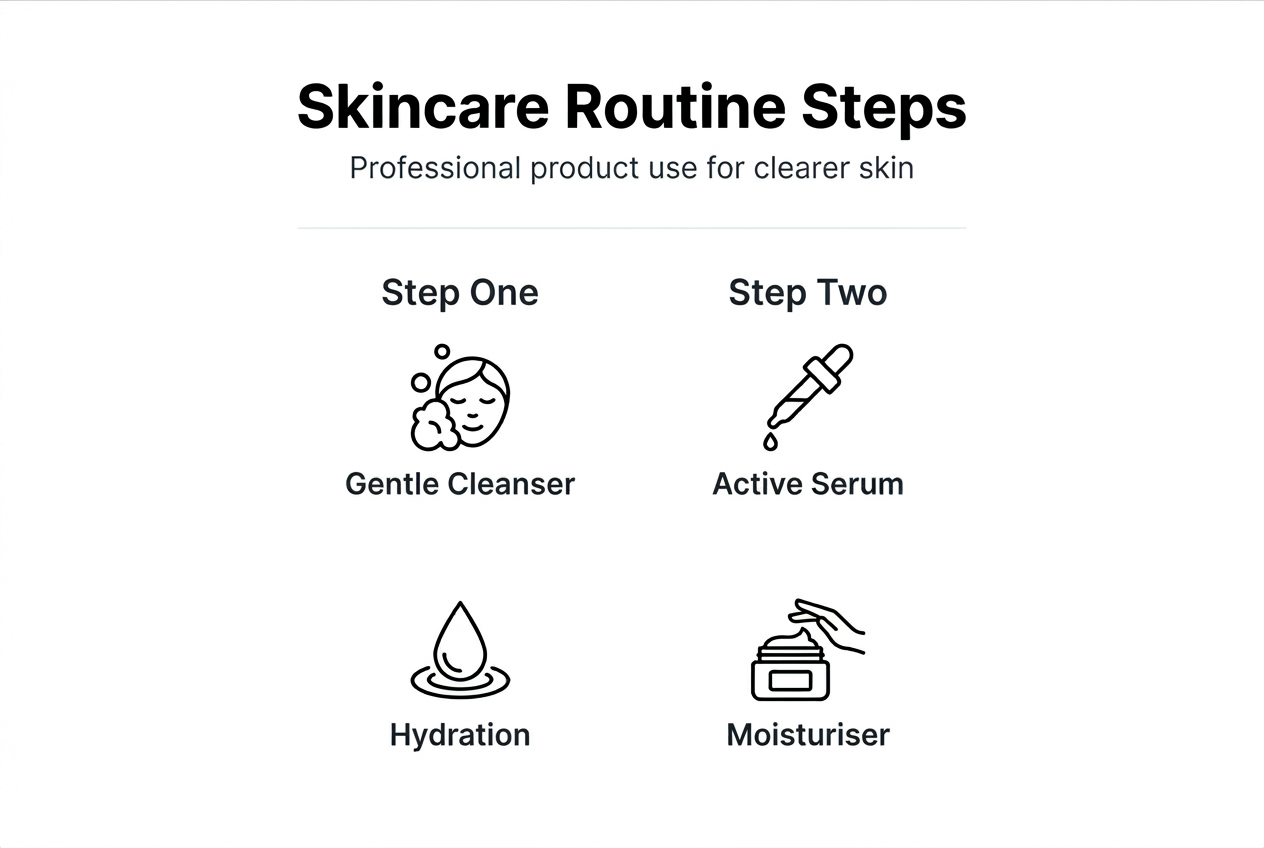
During the introduction phase, support your skin barrier with gentle cleansing, adequate hydration, and consistent sun protection. Prescription actives increase photosensitivity, making broad-spectrum SPF 50 non-negotiable. Consider pregnancy-safe skincare tips if planning conception, as some prescription actives require discontinuation.
Expect an adjustment period where your skin may experience dryness, mild peeling, or temporary purging, particularly with retinoids. These effects typically subside within four to six weeks as tolerance develops. Persistent severe irritation signals the need to reduce frequency or concentration rather than pushing through discomfort.
Explore professional skincare solutions tailored to your needs
Our curated collection offers professional-grade treatments addressing your specific skin concerns with clinically proven formulations. Browse targeted solutions including ClearSkin PCA acne serum for blemish-prone skin, Intensive eye therapy NEOSTRATA for delicate periorbital concerns, and PCA retinol night treatment for advanced anti-ageing results. Our boutique specialises in prescription-strength products including tretinoin and hydroquinone formulations, available through professional consultation to ensure safe, effective use tailored to your unique needs. Experience transformative results with high-quality, dermatologist-recommended solutions backed by clinical evidence and expert support.
FAQ
How long does it take to see results from professional skincare?
Clinical studies show improvements in acne scars and wrinkles typically require 6-12 months of consistent use with prescription-strength actives. Superficial concerns like mild pigmentation may respond within eight to twelve weeks, whilst deeper structural changes demand patience. Consistent application according to your protocol remains essential, as sporadic use significantly reduces effectiveness and delays visible improvements.
Can I use prescription skincare products like tretinoin and hydroquinone together?
Combining certain actives enhances effectiveness when done strategically under professional guidance. Triple combination creams combining hydroquinone, tretinoin, and fluocinolone acetonide are effective and safe with low risk of atrophy when used as directed. These prescription formulations balance potent actives with appropriate buffers, making professional oversight crucial. Understanding hydroquinone treatment benefits helps you maximise results whilst avoiding potential complications from unsupervised use.
How do I avoid irritation when using powerful skincare ingredients?
Start with low concentrations applied two to three times weekly, gradually increasing frequency as tolerance develops. Gradual introduction and using soothing ingredients like niacinamide can reduce irritation caused by retinoids significantly. Avoid mixing irritant actives like multiple acids or retinoids with benzoyl peroxide without professional guidance. Supporting your barrier with ceramides and avoiding harsh cleansers creates a foundation for tolerating potent treatments. Review pregnancy-safe skincare tips for alternative approaches during sensitive periods.
What makes prescription skincare more effective than over-the-counter products?
Prescription formulations contain higher concentrations of proven actives like tretinoin and hydroquinone that cannot be sold without professional oversight due to their potency. These medical-grade ingredients penetrate deeper and trigger more substantial cellular changes than their over-the-counter counterparts. Prescription products also utilise advanced delivery systems and undergo rigorous stability testing, ensuring consistent efficacy. The requirement for professional assessment ensures appropriate selection for your specific concerns and medical history, optimising safety and results.