

What is the online skin clinic model?
TL;DR:
- The online skin clinic model, known as teledermatology, uses digital platforms for remote dermatological consultations via live or store-and-forward methods. It offers cost savings, increased accessibility, and effective chronic condition management through technology and hybrid care approaches. The success of virtual clinics depends on technology quality, clinician training, and integrating in-person care when necessary.
The online skin clinic model is a virtual healthcare framework that delivers dermatological consultations and treatments remotely through digital platforms. Known formally as teledermatology, this model uses synchronous and asynchronous consultation methods to replicate the functions of a traditional skin clinic without requiring physical attendance. With 108 mobile cellular connections per 100 people globally, the infrastructure for widespread teledermatology already exists. That figure means the technology barrier is lower than most people assume. At Them-ethod, we see this model reshaping how people access expert skin care, particularly for those who cannot easily reach a specialist in person.
What is the online skin clinic model and how does it work?
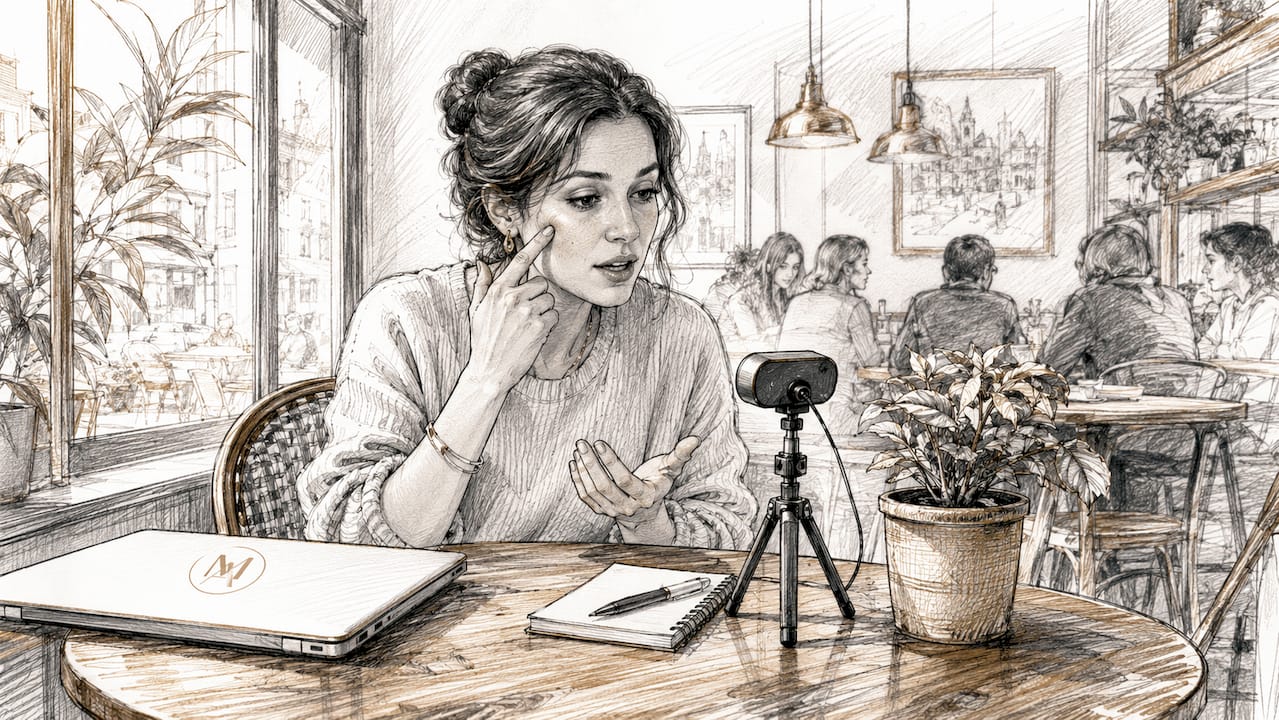
Teledermatology operates through two core consultation modes: synchronous and asynchronous. Synchronous consultations involve live video appointments between a patient and a clinician in real time, much like a face-to-face visit conducted over a secure video platform. Asynchronous consultations, often called store-and-forward, allow patients to submit photographs and symptom descriptions for a clinician to review at a later time. Asynchronous methods offer greater convenience for follow-ups and routine reviews, where an immediate response is not clinically necessary.
Technology powering virtual skin clinics
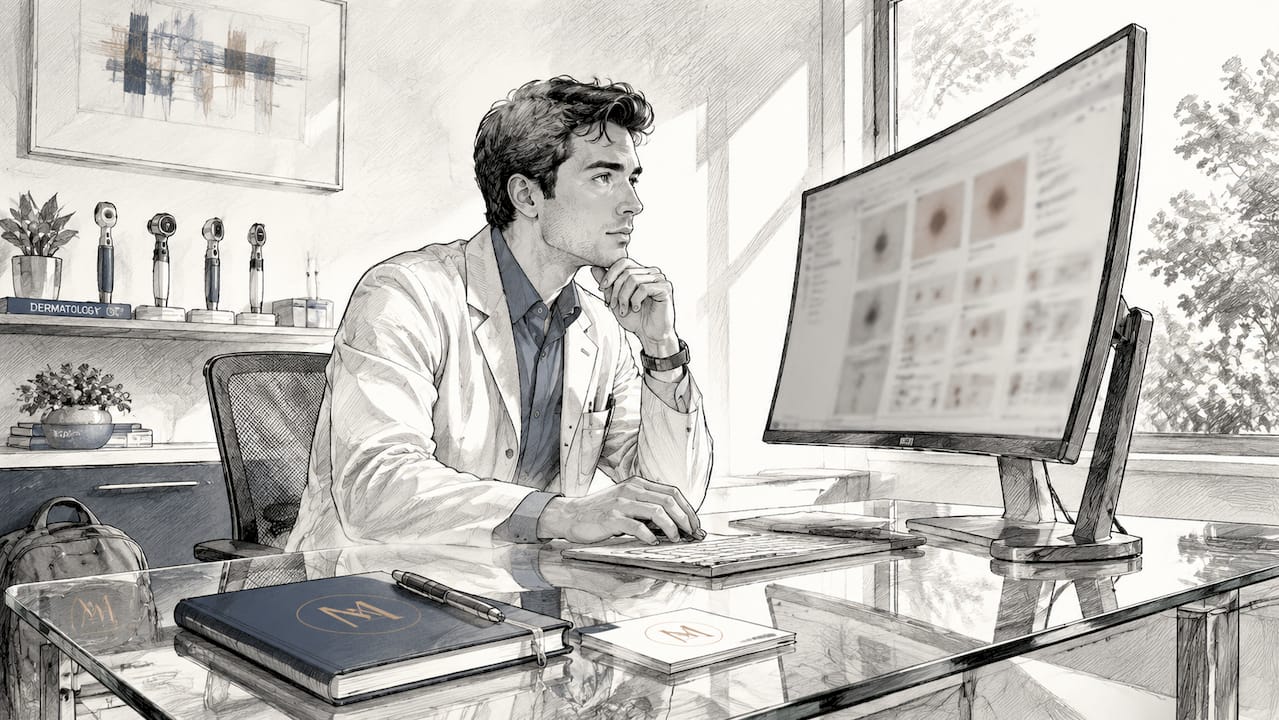
The diagnostic quality of an online skin clinic depends heavily on the technology behind it. Smartphone-based teledermoscopy enables effective triage and diagnosis, making modern mobile devices genuinely useful clinical tools rather than mere communication aids. High-resolution imaging, dermoscopy attachments, and AI-assisted diagnostic algorithms work together to support clinician decision-making. Platforms also incorporate secure messaging, electronic prescribing, and virtual waiting rooms to replicate the full structure of a physical clinic.
The key technology components in a functioning online skin clinic include:
- High-quality smartphone cameras or dedicated dermoscopy devices for image capture
- Secure, encrypted video and messaging platforms compliant with healthcare data regulations
- AI-assisted triage tools that flag urgent or high-risk presentations
- Electronic prescribing systems integrated with pharmacy or product delivery
- Virtual waiting rooms and care team coordination software
Pro Tip: Clinician training in remote image interpretation is as important as the technology itself. A well-trained clinician working with a basic setup will outperform an untrained one using premium equipment.
High-quality clinical images and clinician education are both critical for diagnostic accuracy and patient trust. This means the human element remains central, even in a digitally delivered service.
What are the benefits of virtual skin clinics?
The benefits of virtual skin clinics extend well beyond convenience. Teledermatology saves an average of US$81.31 per patient, with total cost reductions ranging from 6.27% to 45.33% depending on the healthcare system. That range reflects how much efficiency gains vary by context, but the direction is consistent: virtual care costs less for both patients and providers.
Accessibility is the other major advantage. Patients in rural or underserved areas, who might wait months for an in-person dermatology appointment, can access specialist advice within days or even hours. Online dermatology services also support people with mobility limitations, demanding work schedules, or anxiety around clinical settings.
The main benefits of virtual skin clinics include:
- Reduced waiting times compared to traditional dermatology referral pathways
- Lower cost per consultation for patients and healthcare systems
- Greater appointment flexibility, including evenings and weekends
- Improved access for patients in geographically remote areas
- Convenient chronic condition management, such as acne, eczema, and rosacea monitoring
- Integrated prescription fulfilment that reduces the steps between diagnosis and treatment
Pro Tip: A hybrid approach, combining virtual follow-ups with in-person visits for complex cases, consistently produces better outcomes than either model used alone. Think of online care as the connective tissue between physical appointments.
Patient satisfaction data adds important nuance here. Only 26.57% of patients in 2026 prefer fully virtual dermatology over traditional in-person visits. That figure tells us most people see online clinics as a complement to physical care, not a replacement. The strongest patient outcomes come from services that respect this preference and build hybrid pathways accordingly. Platforms like PRYM Wellness reflect this broader shift toward accessible, home-based health services that work alongside traditional clinical care.
What operational models are common in online skin clinics?
Teledermatology is not a single model. It encompasses several distinct operational structures, each suited to different clinical needs and patient populations.
| Model | How it works | Best suited for |
|---|---|---|
| Synchronous | Live video consultation between patient and clinician | New presentations, complex cases, patient reassurance |
| Asynchronous | Patient submits images and history; clinician reviews later | Routine follow-ups, chronic condition monitoring |
| Hybrid | Combination of virtual and in-person appointments | Ongoing management requiring occasional physical examination |
| Direct-to-consumer | Patient-initiated service without GP referral | Accessible triage, cosmetic concerns, prescription skincare |
| Insurance-reimbursed | Integrated with health insurance billing pathways | Formal healthcare systems, NHS-adjacent services |
The hybrid care model combining virtual follow-ups with in-person physical examinations is considered the industry gold standard for skin care management. This matters because it acknowledges what digital platforms cannot yet replicate: the tactile examination, the biopsy, the in-clinic procedure.
Operational models vary considerably across synchronous, asynchronous, hybrid, insurance-reimbursed, and direct-to-consumer structures. Patient-initiated teledermatology, where individuals book and manage their own consultations without a GP referral, supports engagement but requires quality controls around imaging standards and clinical oversight. The direct-to-consumer model is particularly relevant for premium skincare services, where patients seek expert guidance on prescription-strength products and personalised treatment plans outside the NHS pathway.
The future of online dermatology services points firmly toward blended care environments. Telehealth handles routine reviews, prescription renewals, and progress monitoring. In-person visits are reserved for procedures, biopsies, and presentations that genuinely require physical examination. This division of labour makes specialist care more efficient for everyone involved.
How do online skin clinics influence patient experience and continuity of care?
A well-designed virtual skin clinic does not feel like a transactional exchange. Successful virtual dermatology clinics replicate physical clinic structures online, with virtual waiting rooms, named care teams, and consistent follow-up protocols. This structural replication is what separates a credible online clinic from a simple video call with a clinician.
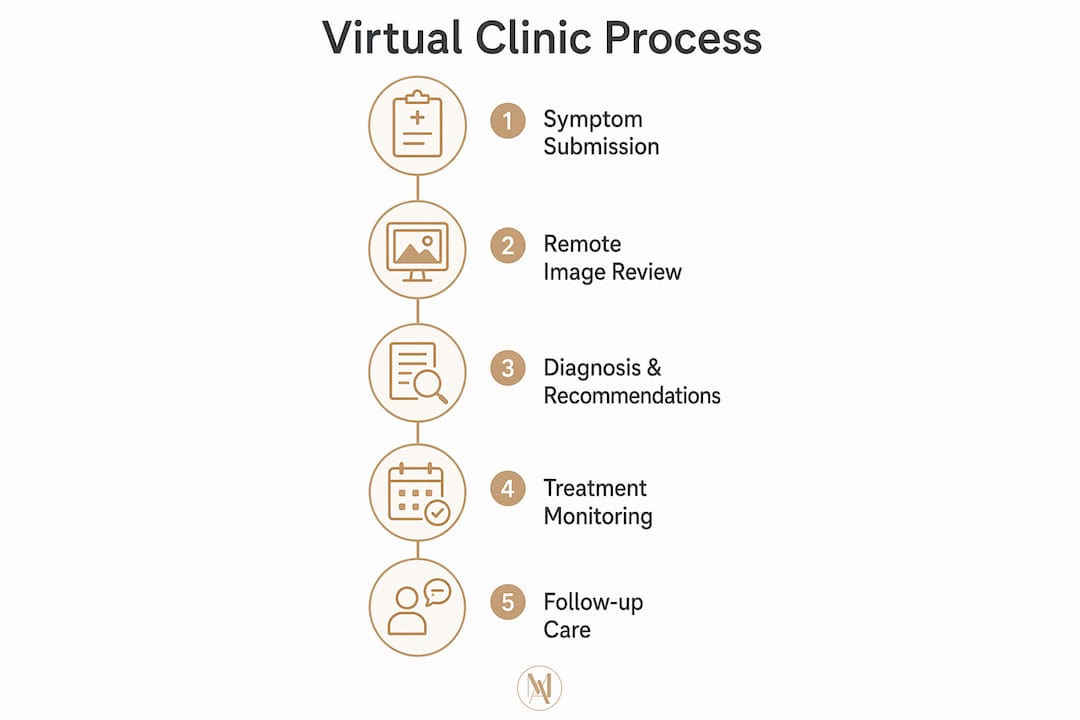
The typical consultation workflow in an online skin clinic follows a clear sequence. A patient submits a symptom description and photographs through a secure platform. A clinician reviews the submission, may request additional images or a live video call, and then produces a diagnosis and treatment plan. An integrated workflow covering consultation, diagnosis, prescribing, and medicine delivery improves patient adherence and treatment continuity. When the prescription arrives at the door alongside clear usage instructions, compliance rates improve.
Challenges do exist. Patients need a stable internet connection and sufficient understanding of how to capture clinically useful images. Poor lighting, low resolution, or unhelpful angles can compromise diagnostic accuracy. Patient education on imaging quality is therefore part of the clinical service, not an afterthought.
Best practices for patients preparing for an online skin consultation:
- Photograph the affected area in natural daylight, without filters or editing
- Include a close-up image and a wider contextual image showing the surrounding skin
- Note the duration, progression, and any triggers you have identified
- List all current skincare products and medications, including supplements
- Prepare specific questions about your treatment plan and expected outcomes
Pro Tip: Read our guide on virtual skin consultations before your first appointment. Knowing what to expect significantly improves the quality of the consultation for both you and your clinician.
Continuity of care is where online skin clinics genuinely excel. Chronic conditions like acne, pigmentation, and rosacea require consistent monitoring over months. Virtual clinics make that monitoring practical, removing the friction of repeated travel and waiting room time. When paired with a reliable product delivery service, the entire treatment cycle becomes far more manageable.
Key takeaways
The online skin clinic model, formally known as teledermatology, delivers specialist skin care through synchronous and asynchronous digital consultations, with hybrid models combining virtual and in-person care representing the current gold standard.
| Point | Details |
|---|---|
| Two core consultation modes | Synchronous (live video) and asynchronous (store-and-forward) serve different clinical needs. |
| Proven cost savings | Teledermatology saves an average of US$81.31 per patient across healthcare systems. |
| Hybrid model is gold standard | Combining virtual follow-ups with in-person exams produces the best clinical outcomes. |
| Patient preference is nuanced | Only 26.57% of patients prefer fully virtual care; most see it as complementary. |
| Imaging quality is critical | Clinician training and high-quality images directly determine diagnostic accuracy. |
Why I think the hybrid model changes everything
The conversation around online skin clinics often focuses on convenience, and convenience matters. But the more I work within this space, the more I believe the real value is structural. Virtual dermatology, done well, forces clinics to be more organised, more consistent, and more accountable than many traditional practices ever were.
What I find genuinely exciting is the hybrid model’s potential to redistribute specialist time. When routine follow-ups move online, in-person appointments become reserved for cases that truly need them. That is a better use of everyone’s time, including the clinician’s. The benefits of virtual skin clinics are not just about access. They are about redesigning how dermatological care is delivered from the ground up.
The challenge I see most often is the assumption that technology alone drives quality. It does not. The clinics producing the best outcomes are those investing equally in clinician training, patient education, and platform design. The technology is the vehicle. The clinical expertise is what makes the journey worthwhile.
My advice to anyone considering an online skin clinic: look for a service that replicates the structure of a physical clinic, not just the convenience of a video call. Ask whether your clinician has access to your full history, whether your treatment plan includes follow-up, and whether your prescriptions are fulfilled through a trusted, regulated source. Those details separate a genuine clinical service from a digital shortcut.
— Jess
Them-ethod’s approach to virtual skin care
Them-ethod offers virtual skin consultations with expert clinicians, combining the rigour of in-person dermatology with the convenience of an online service. Our consultations feed directly into personalised treatment plans, supported by prescription-strength products delivered to your door. For acne-prone skin, the PCA Clearskin Acne Treatment Serum is a clinician-recommended option that works within a structured treatment protocol. For broader skin health concerns, our NEOSTRATA collection offers scientifically formulated products suited to post-consultation care. Them-ethod brings together clinical expertise, premium products, and a service model built around your skin.
FAQ
What is teledermatology?
Teledermatology is the formal term for the online skin clinic model. It delivers dermatological consultations and diagnoses remotely using digital platforms, video calls, and image submission.
How do online skin clinics diagnose skin conditions?
Clinicians use high-resolution patient-submitted photographs, teledermoscopy images, and symptom histories to assess skin conditions. AI-assisted tools support triage, but a qualified clinician makes the final diagnosis.
Are online skin clinics as effective as in-person visits?
Teledermatology shows a diagnostic concordance kappa of 0.57 with in-person dermatology, indicating good agreement for many conditions. Hybrid models that combine virtual and in-person care produce the most reliable outcomes overall.
What should I expect from an online dermatology consultation?
You submit photographs and a symptom history through a secure platform, a clinician reviews your case, and you receive a diagnosis and treatment plan. Prescription fulfilment is often integrated, so products arrive directly to you.
Is the online skin clinic model suitable for chronic skin conditions?
Virtual clinics are particularly well-suited to managing chronic conditions such as acne, eczema, and rosacea, where regular monitoring and prescription renewals are needed without requiring repeated in-person visits.