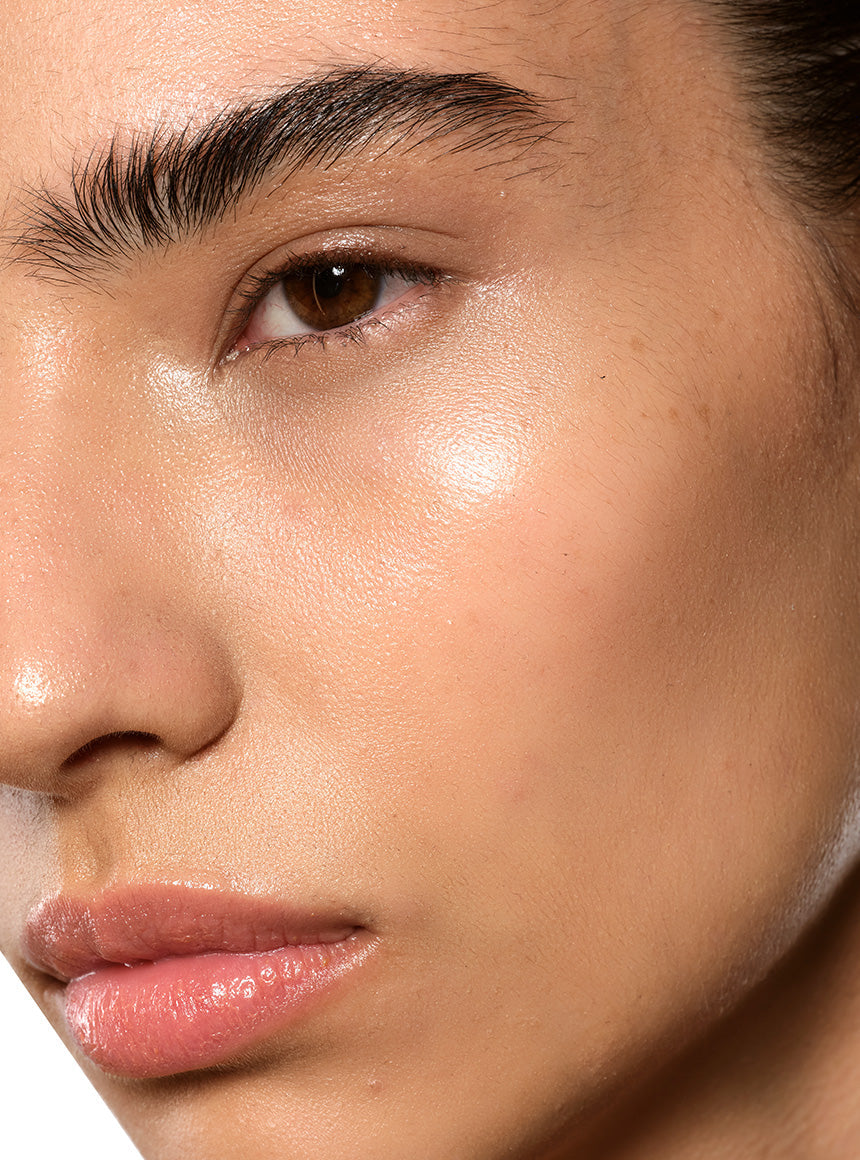



Post Treatment Skincare Routine That Protects Results
Freshly treated skin can look deceptively calm in the mirror, then flare hours later with heat, tightness, dryness or unexpected sensitivity. That is why a well-managed post treatment skincare routine matters just as much as the treatment itself. Whether you have had a chemical peel, microneedling session, laser treatment or an injectable appointment, the first few days can determine how comfortably your skin recovers and how well your results hold.
The mistake most people make is assuming more skincare equals better healing. In reality, post-procedure skin is temporarily compromised. Its barrier function is weaker, water loss is higher, and ingredients your skin normally tolerates can suddenly sting, inflame or prolong redness. This is not the moment for experimentation. It is the moment for precision.
Why your post treatment skincare routine needs to change
After an in-clinic treatment, your skin is not behaving as it does on an ordinary day. Heat, controlled injury, exfoliation or targeted inflammation may all be part of the treatment process. Even when this is intentional and beneficial, it leaves skin more reactive for a period of time.
That window looks different depending on the procedure. A light enzyme peel may require only a short reset. An ablative laser, stronger peel or deeper microneedling treatment may require a more protective approach for several days, sometimes longer. Skin tone also matters. Patients prone to post-inflammatory hyperpigmentation, especially deeper skin tones, need a particularly disciplined recovery plan to reduce the risk of lingering discolouration.
A strong routine after treatment is not about doing the most. It is about doing the right minimum. Gentle cleansing, barrier support, hydration and strict UV protection usually outperform a crowded shelf of active formulas.
The non-negotiables after most aesthetic treatments
The details should always follow your practitioner’s aftercare instructions first. That said, there are a few principles that apply across most treatments.
Keep cleansing low-intervention
Use a gentle, non-stripping cleanser and lukewarm water. Avoid hot water, washcloths, cleansing brushes and anything that creates friction. If your skin feels sore or hot, even the pressure of vigorous cleansing can be too much.
Cleansing once in the evening and a simple water rinse in the morning is often enough in the first day or two, depending on your skin and the treatment performed. Over-cleansing is a common cause of avoidable irritation.
Prioritise barrier repair over actives
In the immediate recovery period, moisturisers are doing serious clinical work. Look for formulas designed to support the skin barrier and reduce transepidermal water loss. Texture matters. A richer cream may be ideal after a peel or laser treatment, while a lighter but reparative lotion may suit skin recovering from injectables or a very superficial resurfacing treatment.
What matters most is that the formula comforts skin without adding unnecessary fragrance, strong acids or retinoids. If your skin feels tight every time you smile, your barrier likely needs more support.
SPF is not optional
Treated skin is more vulnerable to UV damage, and even brief exposure can worsen redness and trigger pigmentation. This is especially critical after peels, lasers and any treatment designed to improve tone and clarity. Daily broad-spectrum SPF should be worn consistently and reapplied if you are outside.
If your skin is very sensitised, a cosmetically elegant mineral SPF often feels more comfortable than a more active formula. The best sunscreen is the one you will apply generously and consistently.
What to stop using for now
Most setbacks after treatment come from returning to active skincare too quickly. Your usual routine may be excellent in normal circumstances, but timing matters.
Pause retinoids, exfoliating acids, scrubs, strong vitamin C formulas, hydroquinone unless specifically directed, benzoyl peroxide and any product that creates tingling or heat. Fragranced products can also become problematic when skin is compromised, even if they have never bothered you before.
The temptation to restart everything as soon as your skin looks better is understandable, but visible calm does not always mean full recovery. Skin can still be vulnerable beneath the surface. If your practitioner has not given a precise restart plan, reintroduce one active at a time and leave several days between each product.
A practical post treatment skincare routine by phase
The first 24 to 72 hours
This phase is about reducing inflammation, protecting the barrier and avoiding setbacks. Keep your routine exceptionally edited. Cleanse gently, apply a reparative moisturiser and use SPF during the day. That is often enough.
If your practitioner has advised a specific healing balm, post-procedure cream or mist, follow that protocol rather than layering your usual products around it. Simplicity is a strength here, not a compromise.
You should also minimise heat exposure. Avoid saunas, steam rooms, intense exercise and very hot showers if your treatment aftercare advises against them. Heat can prolong redness and exacerbate swelling.
Days 3 to 7
At this stage, some skin begins to feel drier, tighter or slightly rough as recovery progresses. This is where people often make the mistake of exfoliating away visible flaking. Do not. Let the skin shed on its own timetable.
Continue with a gentle cleanser, barrier-supportive moisturiser and SPF. If your skin feels stable, a hydrating serum without exfoliating or stimulating ingredients may be appropriate, but only if it does not compromise comfort. The test is simple: if it stings, your skin is not ready.
Week 2 and beyond
This is the reintroduction phase, and it should be gradual. Start with the active ingredient that matters most for your long-term concern, whether that is a retinoid for ageing, a pigment-correcting formula for melasma or an acne treatment. Use it less frequently than usual at first.
If your skin remains calm for several applications, then consider adding the next product. This staged approach is slower, but it is far less likely to trigger rebound irritation, dermatitis or prolonged sensitivity.
The treatment matters - and so does your skin history
There is no universal post treatment skincare routine because not all procedures stress the skin in the same way. Microneedling and fractional laser treatments often create more obvious dryness and inflammation than injectables. A medium-depth peel requires more caution than a gentle maintenance facial. Even within the same category, the strength and settings used make a difference.
Your baseline skin condition matters too. Rosacea-prone skin tends to need a calmer, longer runway before actives return. Acne-prone skin may feel clearer immediately after a treatment but can still become reactive if you rush back to acids and benzoyl peroxide. Pigment-prone skin requires especially careful sun protection and anti-inflammatory support.
This is where expert guidance is worth far more than generic advice. A tailored routine should account for your treatment type, barrier status, Fitzpatrick skin type and long-term skin goals.
Signs your skin needs a simpler approach
A little redness, dryness or sensitivity can be expected after many procedures. Persistent burning, worsening rash-like irritation, increasing swelling, unusual tenderness or delayed healing deserve attention. More is not better when recovery looks unsettled.
Often, the smartest response is to strip your routine back again rather than trying to fix irritation with extra masks, peels or corrective serums. Calm skin tends to recover more predictably than over-managed skin.
How to protect your investment in results
Professional treatments work best when homecare supports the outcome rather than interrupting it. Think of aftercare as part of the treatment, not an optional extra. The smoother, brighter and more refined result you want does not come from the procedure alone. It comes from what you do in the days that follow.
Clinically proven skincare has a real role here, particularly when formulas are selected for barrier support, pigment control and tolerance rather than marketing noise. This is why treatment-led routines tend to outperform trend-led routines. They respect the biology of healing skin.
For patients investing in advanced aesthetic care, the goal is not simply to recover quickly. It is to recover well, preserve skin health and extend the value of every appointment. At The M-ethod Aesthetics, that means choosing post-procedure skincare with the same discernment you bring to the treatment itself.
If you are ever unsure whether your skin is ready for active ingredients again, err on the side of restraint. Skin rarely regrets a few extra days of barrier support, but it often remembers a rushed return to strength.