



HIFU guide 2026: effective non-surgical skin rejuvenation
Forget scalpels and needles. HIFU delivers professional skin tightening by targeting deep tissue layers with focused ultrasound energy, stimulating natural collagen production without downtime. This guide reveals how HIFU works, realistic timelines for visible results, and whether it suits your skin rejuvenation goals. You’ll learn treatment areas, safety considerations, and how to integrate HIFU into a premium skincare routine for lasting anti-ageing benefits.
Table of Contents
- Understanding HIFU Technology And How It Works
- Expected Timeline And Longevity Of HIFU Results
- Comparing HIFU With Other Skin Tightening Treatments
- Suitability, Safety And Common Misconceptions About HIFU
- Customisation And Common Treatment Areas For HIFU
- Integrating HIFU Into Your Premium Skincare Routine
- Summary And Next Steps For Considering HIFU
- Discover Professional Skincare Products To Complement Your HIFU Treatment
Key takeaways
| Point | Details |
|---|---|
| HIFU stimulates collagen deeply for gradual skin tightening | Focused ultrasound reaches the SMAS layer, triggering natural healing and firmer skin over time. |
| Results typically appear after 12 weeks and last up to 3 years | Visible improvements develop as collagen regenerates, with effects sustained through maintenance treatments. |
| Treatment is safe with minimal downtime, ideal for busy people | FDA-approved technology causes only transient redness or swelling, allowing immediate return to daily activities. |
| Effective mostly for mild to moderate skin laxity under age 65 | Professional assessment ensures suitability, as severe laxity or advanced age reduce efficacy. |
| Combining therapies can enhance overall skin rejuvenation outcomes | Synergy with RF, laser, or advanced serums addresses diverse concerns for comprehensive results. |
Understanding HIFU technology and how it works
HIFU directs ultrasound waves beneath the skin’s surface to the SMAS layer, the same tissue surgeons manipulate during facelifts. This non-invasive approach heats targeted zones to around 60-70°C, creating controlled thermal micro-injury. Your body interprets this as minor damage, activating a healing cascade that produces fresh collagen and elastin over weeks.
Unlike topical treatments that sit on the epidermis, HIFU energy penetrates 3-4.5mm deep, bypassing surface layers entirely. This precision means no incisions, no injectable fillers, and zero foreign substances introduced to your skin. Instead, HIFU stimulates natural collagen and elastin production by triggering your body’s innate repair mechanisms.
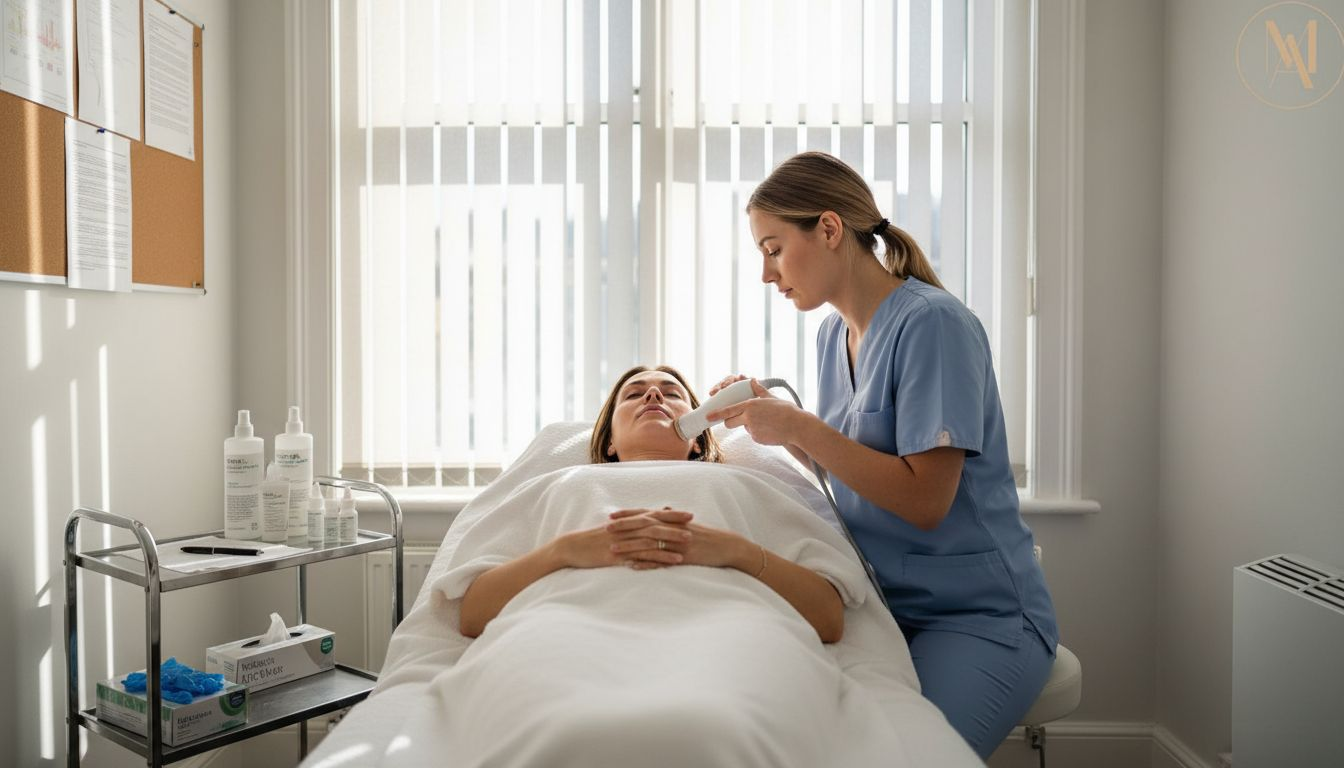
The process unfolds gradually. During treatment, you may feel warmth or mild tingling as the ultrasound focuses on specific depths. Sessions last 60-90 minutes depending on treatment zones. Afterwards, your fibroblasts ramp up collagen synthesis, tightening skin from within as new structural proteins replace degraded fibres.
Key advantages of HIFU include:
- Targets deep tissue without damaging the epidermis
- Requires no anaesthesia or recovery period
- Delivers natural-looking lift without artificial volume
- Supports ongoing skin improvement for months post-treatment
Pro tip: Pairing HIFU with a tri-therapy lifting serum can amplify collagen support at the surface while ultrasound works deeper, creating a dual-action rejuvenation strategy.
For those curious about layering treatments, SkinPen microneedling offers a complementary approach by enhancing product penetration and stimulating surface-level collagen, making it an excellent partner to HIFU’s deep-tissue focus.
Expected timeline and longevity of HIFU results
Patience pays with HIFU. You won’t leave the clinic with instant tightness like you might after injectables. Instead, visible improvement appears around 12 weeks post-treatment as collagen fibres mature and contract.
Collagen production doesn’t stop at three months. Your skin continues generating new structural proteins for up to six months after a single session. This prolonged regeneration phase explains why some clients notice progressive firming well into the fifth or sixth month, with subtle refinements in jawline definition and cheek contour.
Typical longevity spans two to three years, though individual variation exists. Younger patients with robust collagen turnover may enjoy results closer to the three-year mark, whilst those over 55 might see benefits fade slightly sooner. Sun exposure, smoking, and genetics all influence durability.
To sustain effects, consider these maintenance strategies:
- Schedule follow-up sessions every 18-24 months to refresh collagen stores before significant degradation occurs.
- Protect skin daily with broad-spectrum SPF to prevent UV-induced collagen breakdown.
- Support cellular health with antioxidant serums that neutralise free radicals accelerating ageing.
- Maintain hydration and nutrition to provide building blocks for ongoing collagen synthesis.
This gradual, enduring approach contrasts sharply with treatments offering immediate but fleeting results. HIFU invests in your skin’s long-term architecture rather than applying temporary surface fixes. For insights into optimising safety and outcomes, explore the gold standard for HIFU safety and efficacy.
Comparing HIFU with other skin tightening treatments
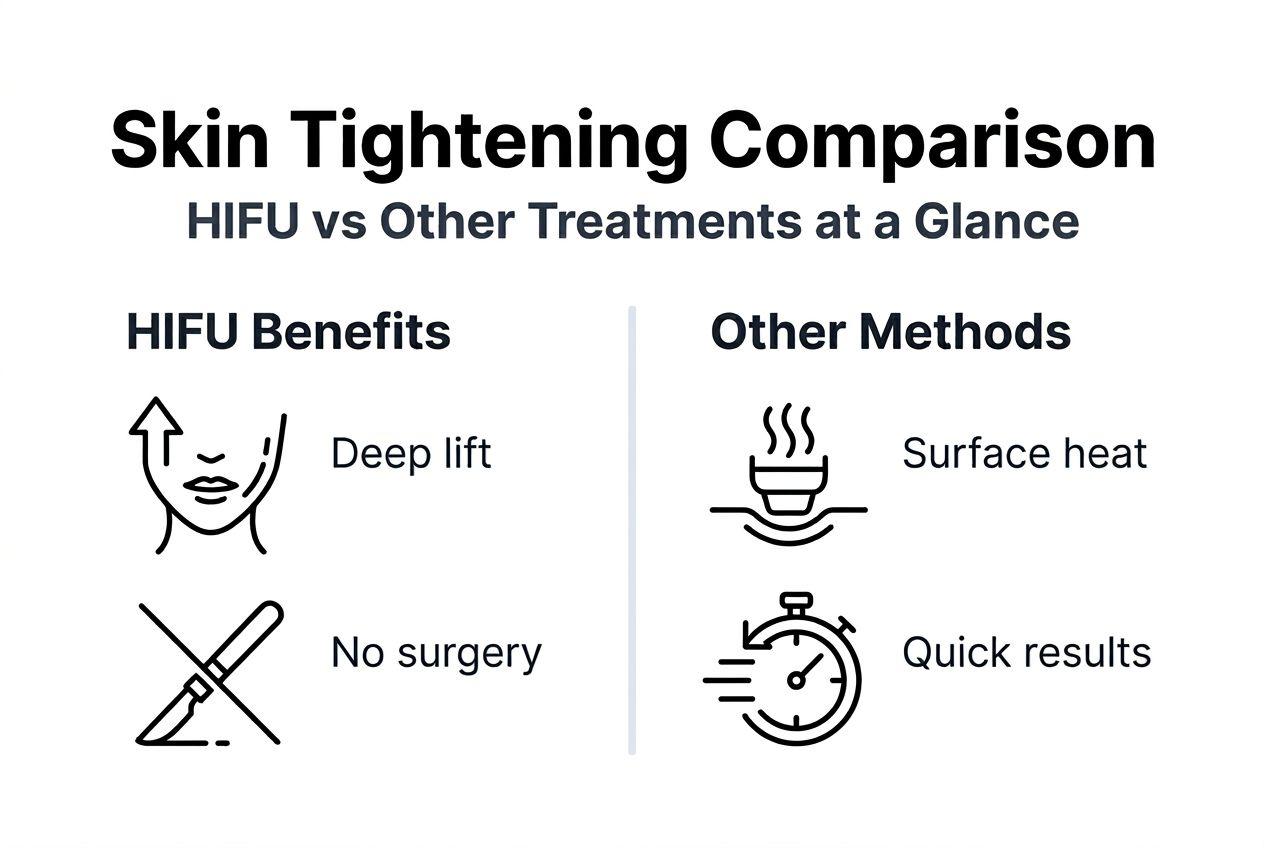
Choosing the right skin tightening modality depends on your goals, budget, and skin condition. HIFU stands apart by accessing the SMAS layer, the same foundational tissue addressed in surgical facelifts. Radiofrequency and laser therapies work differently, targeting shallower zones with distinct mechanisms.
| Treatment | Target depth | Mechanism | Downtime | Longevity |
|---|---|---|---|---|
| HIFU | SMAS (4.5mm) | Thermal micro-injury | None | 2-3 years |
| Radiofrequency | Dermis (1-3mm) | Controlled heating | Minimal | 6-12 months |
| Laser resurfacing | Epidermis/dermis | Ablation/stimulation | 3-7 days | 1-2 years |
Radiofrequency excels at mild surface tightening and works well for early signs of laxity. It heats the dermis to stimulate collagen without penetrating as deeply as HIFU. Results appear faster but fade sooner, making RF ideal for maintenance between more intensive treatments.
Laser therapies primarily improve texture, pigmentation, and fine lines rather than lifting sagging tissue. Ablative lasers remove outer skin layers, prompting regeneration with some tightening as a secondary benefit. They require recovery time and sun avoidance, unlike HIFU’s walk-in, walk-out convenience.
HIFU targets the deep SMAS layer with effects lasting significantly longer than superficial alternatives, though it demands precise technique and appropriate candidacy. Cost per session runs higher, but superior longevity often balances the investment.
Combination strategies unlock comprehensive rejuvenation:
- HIFU for deep lifting foundation
- RF for surface tightening and ongoing maintenance
- Laser for texture refinement and pigment correction
Pro tip: If you’re exploring at-home options between professional treatments, devices like the Dr Levy Contour Pro offer radiofrequency-based tightening that complements in-clinic HIFU sessions without overlapping mechanisms.
Suitability, safety and common misconceptions about HIFU
HIFU enjoys FDA approval with a strong safety profile when administered by trained practitioners. Side effects remain minimal, typically limited to transient redness, slight swelling, or tingling that resolves within hours. Bruising occurs rarely, and serious complications like nerve damage are exceptionally uncommon with proper technique.
Ideal candidates share specific characteristics:
- Age under 65 with mild to moderate skin laxity
- Realistic expectations for gradual, natural-looking improvement
- Good overall skin health without active infections or inflammation
- Willingness to wait 12 weeks for visible results
Severely sagging skin or very thin, fragile tissue may not respond optimally. HIFU tightens existing structure but cannot replace volume lost to ageing. Patients seeking dramatic transformation might benefit more from surgical options or combination approaches with fillers.
Misconception one: HIFU treatments are unbearably painful. Reality: most people tolerate sessions well with only mild discomfort during energy delivery. Bony areas like the jawline may feel more sensitive, but numbing cream is rarely necessary.
Misconception two: results match surgical facelifts. Reality: HIFU offers subtle, natural lifting that refreshes your appearance without the dramatic change surgery provides. It bridges the gap between topical skincare and invasive procedures.
“HIFU works best when you want to address early to moderate signs of ageing without committing to surgery or accepting lengthy recovery periods. It’s a middle-ground solution for those not ready for operating theatres.”
Pro tip: Schedule your HIFU session at least four months before major events to allow full collagen maturation. Rushing the timeline leads to disappointment when results haven’t fully developed.
For detailed safety protocols and practitioner standards, review HIFU safety and efficacy benchmarks to ensure your provider meets industry best practices.
Customisation and common treatment areas for HIFU
HIFU’s versatility allows precise targeting of multiple zones where skin laxity appears. Practitioners customise depth, energy intensity, and treatment patterns based on your unique anatomy and aesthetic goals.
Primary facial treatment areas include:
- Jawline and jowls to restore definition lost to gravity
- Neck bands and horizontal lines for smoother profile
- Cheeks and mid-face to lift sagging tissue
- Brow region to open the eye area subtly
Body applications expand HIFU’s reach beyond the face. Abdominal skin tightening post-pregnancy or weight loss shows promising results, though outcomes vary more than facial treatments due to thicker tissue and different collagen density. Inner thighs, arms, and décolletage also benefit from targeted sessions.
Session duration typically spans 60-90 minutes depending on zones covered. A full face and neck requires more time than isolated brow lifting. No downtime means you can schedule treatments during lunch breaks and return to work immediately.
Customisation hinges on professional assessment. Your practitioner evaluates:
- Skin thickness and elasticity
- Degree of laxity and fat distribution
- Previous treatments and current skincare routine
- Desired outcomes and budget constraints
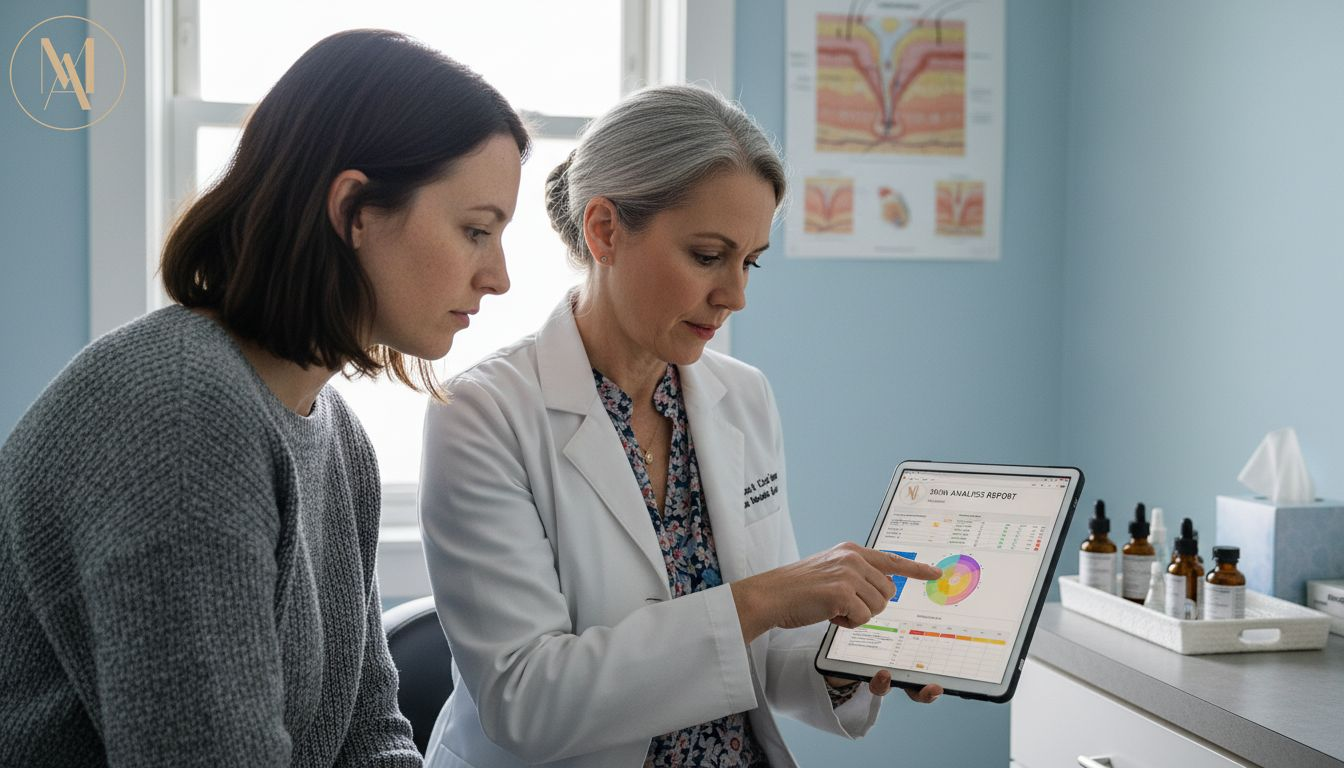
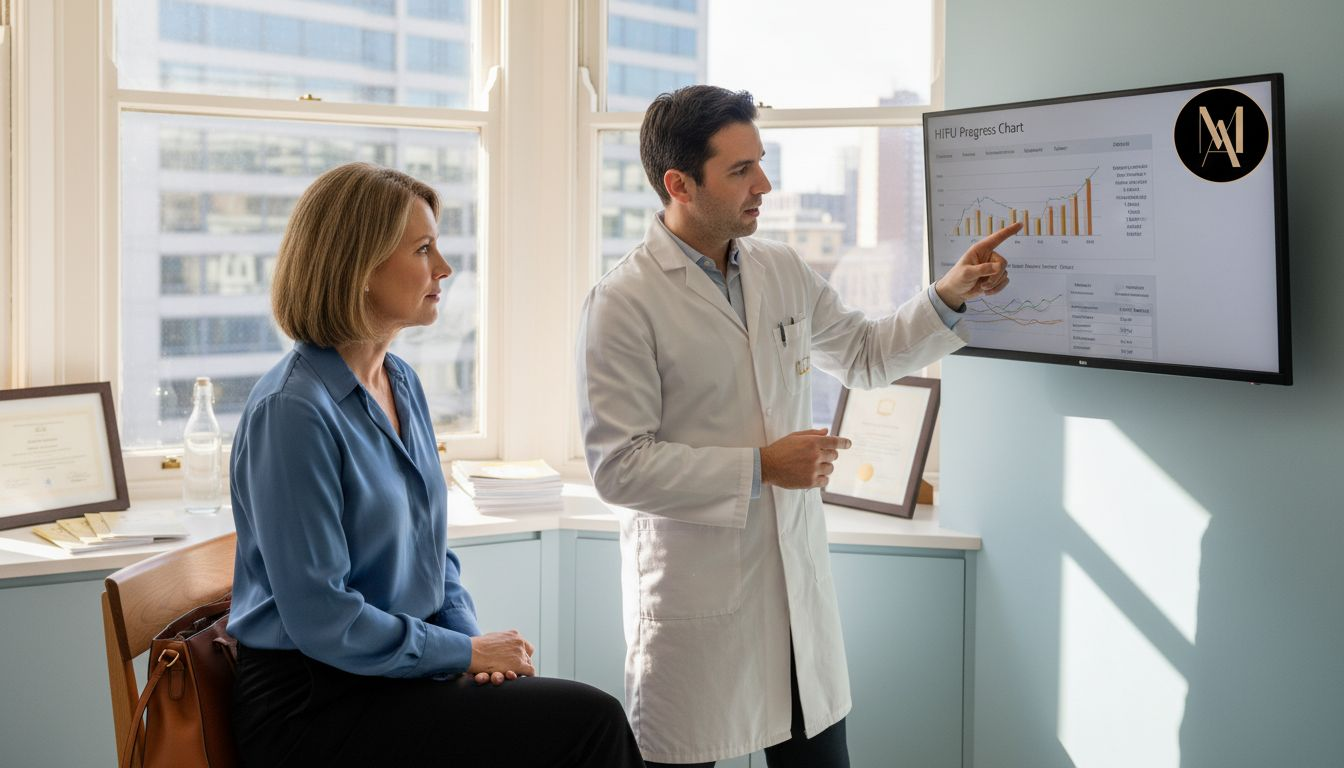
A thorough consultation develops a personalised plan aligning technology with expectations. Some providers photograph treatment areas to document progressive changes, helping you appreciate subtle improvements that might otherwise go unnoticed. To determine if HIFU suits your specific needs, explore HIFU facial treatment candidacy.
Integrating HIFU into your premium skincare routine
Maximising HIFU benefits requires strategic skincare integration before and after treatment. While ultrasound energy initiates collagen production, topical products support healing and prolong results through ongoing cellular nourishment.
Recommended maintenance schedule:
- Complete initial HIFU session after professional consultation and skin assessment.
- Apply growth factor serums daily for the first three months to support fibroblast activity during peak collagen synthesis.
- Maintain results with antioxidant-rich formulations that protect new collagen from oxidative stress.
- Schedule maintenance HIFU every 18-24 months before significant degradation occurs.
- Adjust skincare potency based on skin response, increasing active ingredients as tolerance builds.
Synergistic ingredients enhance HIFU outcomes. Peptides signal continued collagen production, extending the treatment’s regenerative phase. Retinoids accelerate cell turnover, revealing fresh skin as it tightens. Hyaluronic acid maintains hydration essential for plump, firm texture.
Professional-grade serums deliver concentrated actives at clinical strengths unavailable in retail products. The Calecim professional serum contains growth factors that complement HIFU’s collagen-stimulating effects, creating a powerful regenerative partnership.
Pro tip: Avoid harsh exfoliants or aggressive acids for 48 hours post-treatment to prevent irritation whilst skin recovers from thermal stimulation. Gentle cleansing and barrier repair take priority during this brief sensitive window.
Consult your practitioner to tailor post-HIFU skincare based on your skin’s response. Some people tolerate actives immediately, whilst others benefit from a gentler reintroduction period. Adherence to personalised protocols dramatically influences long-term satisfaction and result durability.
Summary and next steps for considering HIFU
HIFU represents a scientifically validated approach to non-surgical skin tightening, offering gradual, natural-looking lift through deep collagen stimulation. Effects emerge around 12 weeks post-treatment and typically endure two to three years with proper maintenance.
Key insights to remember:
- Choose experienced, certified practitioners to ensure safe, effective energy delivery and optimal results
- Set realistic expectations for subtle improvement rather than surgical-level transformation
- Plan treatments well in advance of events, allowing full collagen maturation time
- Combine HIFU with complementary therapies like RF or laser for comprehensive rejuvenation addressing multiple concerns
- Support results with premium skincare products that nourish healing and protect new collagen
Maintenance sessions every 18-24 months sustain benefits, whilst daily skincare extends the treatment’s regenerative effects. Understanding HIFU’s gradual mechanism helps you appreciate progressive changes that unfold over months rather than days.
If mild to moderate laxity concerns you and surgery feels premature, HIFU bridges the gap effectively. Professional consultation determines suitability and develops a customised plan aligning technology with your aesthetic goals and skin condition.
Discover professional skincare products to complement your HIFU treatment
Enhance your HIFU results with targeted skincare designed to support collagen production and skin regeneration. The Calecim professional serum delivers growth factors that amplify your skin’s healing response, working synergistically with ultrasound-stimulated collagen synthesis. For delicate eye areas where HIFU may not reach, NEOSTRATA intensive eye therapy addresses fine lines and crepiness with potent peptides and antioxidants. Maintain clear, healthy skin during your rejuvenation journey with PCA Clearskin acne treatment serum, ensuring breakouts don’t compromise your investment in skin tightening. Book a consultation to develop a personalised post-HIFU skincare plan that maximises and prolongs your treatment benefits.
FAQ
Is HIFU treatment painful and does it require downtime?
Most people experience only mild discomfort during HIFU sessions, describing sensations as warmth or brief tingling when energy pulses reach target depths. Bony areas like the jawline may feel slightly more sensitive. No anaesthesia or numbing cream is typically necessary. You can resume all normal activities immediately after treatment with no recovery period required, making HIFU ideal for busy schedules.
Who is the ideal candidate for HIFU skin rejuvenation?
Ideal candidates are typically under 65 with mild to moderate skin laxity who want natural-looking lift without surgery or lengthy downtime. Good skin health, realistic expectations, and patience for gradual results matter most. Professional consultation assesses your specific skin condition, facial anatomy, and aesthetic goals to determine if HIFU suits your needs. Review HIFU candidacy guidance for detailed suitability criteria.
How long do results from a single HIFU session typically last?
Visible results from one HIFU treatment generally last two to three years, though individual variation depends on age, skin condition, lifestyle factors, and genetic collagen production rates. Younger patients with robust cellular turnover often enjoy effects closer to three years. Maintenance sessions every 18-24 months help sustain benefits before significant collagen degradation occurs, extending your investment in skin rejuvenation.
Can HIFU be combined with other skin treatments?
Yes, combining HIFU with radiofrequency, laser therapies, or microneedling can enhance overall skin rejuvenation outcomes by addressing multiple concerns simultaneously. HIFU provides deep structural lifting whilst RF tightens surface layers and lasers improve texture and pigmentation. Always consult qualified professionals to develop safe, effective treatment protocols with appropriate spacing between sessions to avoid overstimulation or complications.