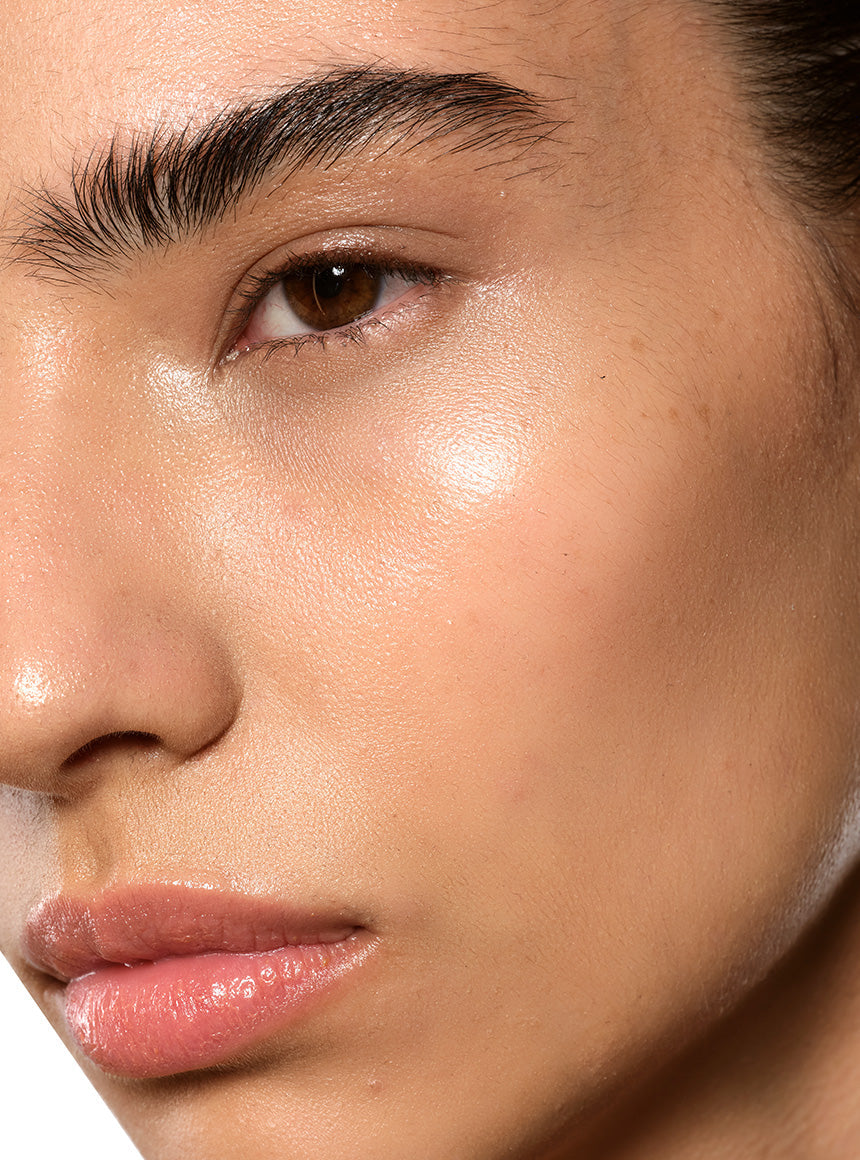





Dermatologist skincare benefits for clearer, healthier skin
TL;DR:
- Dermatologist skincare offers higher potency, personalized formulations, and evidence-based ingredients.
- It effectively targets root causes of skin concerns like aging, pigmentation, and acne.
- Results are faster and more predictable with professional guidance and tailored regimens.
Finding skincare that genuinely works for stubborn concerns is harder than it should be. The shelves are crowded with products that promise dramatic results but deliver little more than a pleasant texture and a lighter wallet. Dermatologist-recommended skincare uses evidence-based ingredients formulated for specific concerns such as acne, ageing, pigmentation, and redness. Unlike trend-driven cosmetics, these solutions are built on clinical research, prescribed or recommended with your unique skin biology in mind. In this article, we explore what sets dermatologist skincare apart, how it targets the most common skin concerns, and how to decide whether a clinical approach is right for you.
Table of Contents
- What makes dermatologist skincare superior
- Targeted solutions for acne, ageing, and pigmentation
- Dermatologist vs over-the-counter: Results, safety, and irritation
- Why dermatologist skincare matters for sensitive and high-risk skin types
- What most people miss about dermatologist skincare
- Discover proven dermatologist skincare solutions
- Frequently asked questions
Key Takeaways
| Point | Details |
|---|---|
| Clinical ingredient power | Dermatologist skincare relies on evidence-based actives like retinoids and acids to target stubborn concerns effectively. |
| Personalised for results | Prescription routines allow customisation for sensitive skin, reducing irritation and boosting visible improvement. |
| Safer for complex needs | Dermatologist methods protect high-risk and sensitive groups, offering safe and proven solutions for diverse skin types. |
| Outperforms standard options | Clinical benchmarks confirm dermatologist skincare delivers faster, clearer results than most over-the-counter products. |
What makes dermatologist skincare superior
The most important distinction between dermatologist skincare and standard cosmetic products is not the packaging or the price. It is the quality and concentration of the active ingredients inside, and the rationale behind their selection.
Dermatologists prioritise actives with a strong evidence base. Retinoids, azelaic acid, vitamin C, niacinamide, and benzoyl peroxide are not chosen because they are fashionable. They are selected because clinical ingredient evidence supports their mechanisms of action. Each ingredient targets a defined biological pathway, whether that is accelerating cell turnover, inhibiting melanin synthesis, or reducing bacterial load in follicles.
Potency matters enormously. Prescription-strength retinoids outperform OTC options for ageing and pigmentation by up to 20 times. That is not a marginal improvement. It is the difference between maintaining your skin and actively transforming it.
Dermatologist skincare also achieves something that mass-market products rarely do: genuine personalisation. A clinician assesses your Fitzpatrick skin type, your lifestyle, your medical history, and your specific concerns before recommending a regimen. This tailored approach, explored further in our guide on personalised skincare regimens, reduces the risk of irritation and increases the likelihood of measurable results.
The superior skincare benefits of a clinical approach are well documented, with expert consensus confirming that dermatologist-led protocols treat multiple concerns simultaneously, something a single off-the-shelf product cannot reliably achieve.
Key advantages of dermatologist skincare include:
- Higher active concentrations that penetrate deeper into the dermis for visible change
- Evidence-based ingredient selection grounded in peer-reviewed research
- Reduced trial and error through expert assessment before prescribing
- Combination regimens that address more than one concern at once
- Ongoing oversight to adjust potency as your skin responds
“The difference between cosmetic and clinical skincare is not just ingredient strength. It is the intention, the oversight, and the outcome measurement that define a truly therapeutic approach.”
Now that the evidence-driven difference is clear, let’s break down the key ingredient categories that drive results.
Targeted solutions for acne, ageing, and pigmentation
Dermatologist skincare works because it addresses the root cause of each concern, not just its surface appearance. For ageing, the mechanism is collagen stimulation and cellular renewal. For pigmentation, it is melanin regulation. For acne, it is follicular keratin control and bacterial reduction.
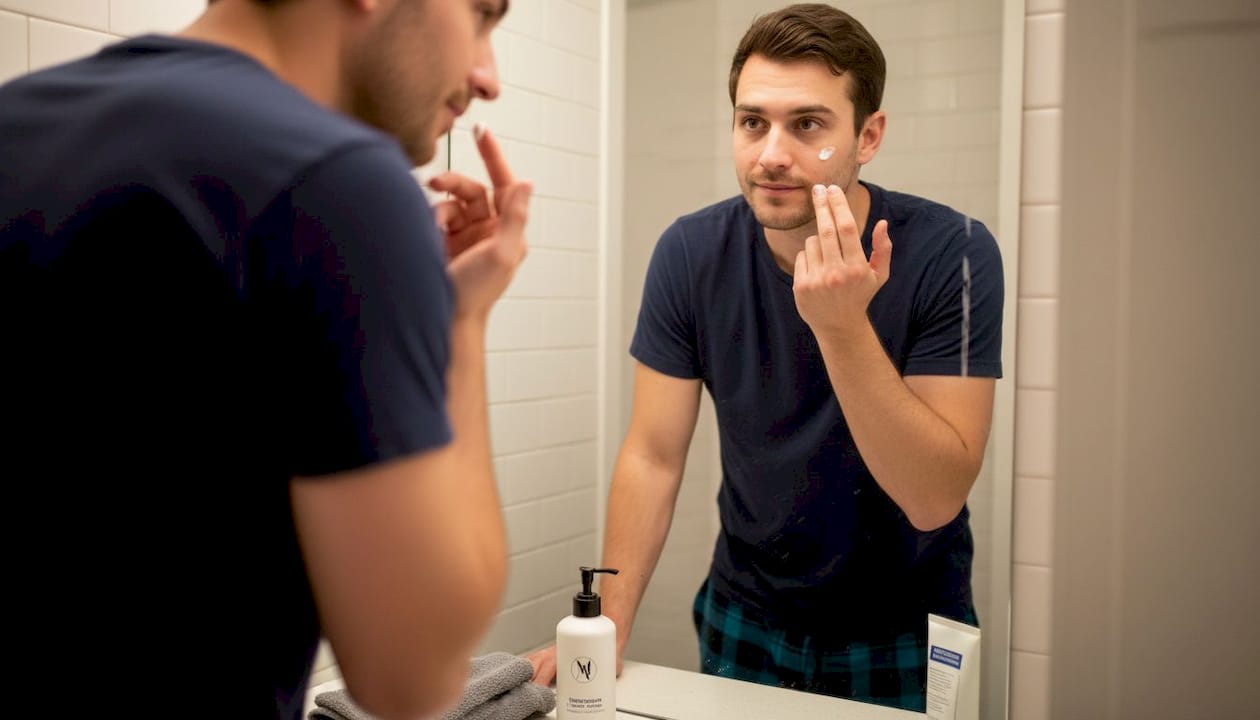
Here is how the leading actives perform across the most common skin concerns:
| Ingredient | Primary concern | Mechanism | Clinical outcome |
|---|---|---|---|
| Tretinoin (retinoid) | Ageing, pigmentation | Accelerates cell turnover | 32% melasma improvement at 40 weeks |
| Azelaic acid | Pigmentation, acne | Inhibits tyrosinase | Safe for Fitzpatrick V-VI |
| Benzoyl peroxide | Acne | Reduces C. acnes bacteria | Clinically proven lesion reduction |
| Salicylic acid | Acne, congestion | Dissolves keratin plugs | Effective first-line treatment |
| Broad-spectrum SPF | All concerns | Blocks UV-driven damage | Prevents PIH and photoageing |
For step-by-step guidance on building clear skin routines around these actives, our clinical journal offers practical frameworks for each concern.
The five most impactful steps a dermatologist-led programme typically includes are:
- Thorough skin assessment to identify concern type and Fitzpatrick classification
- Active ingredient selection matched to the underlying pathology
- Concentration calibration to balance efficacy with tolerability
- Broad-spectrum sun protection integrated daily to prevent PIH recurrence
- Regular review to increase potency as the skin acclimates
Benzoyl peroxide and azelaic acid are both considered effective first-line treatments for acne and post-inflammatory hyperpigmentation, particularly for those with darker skin tones where the risk of PIH is significantly higher.
Pro Tip: Introduce retinoids gradually, starting two nights per week, to build tolerance without triggering unnecessary peeling or redness. Patience in the early weeks pays dividends at the eight-week mark.
With the mechanisms and core skincare actives outlined, let’s compare how dermatologist and non-clinical solutions stack up for outcomes and irritation.
Dermatologist vs over-the-counter: Results, safety, and irritation
This is where the conversation gets practical. Many people oscillate between pharmacy buys and clinical prescriptions without a clear framework for choosing. Understanding the real differences helps you invest your time and money wisely.
| Factor | Dermatologist skincare | OTC products |
|---|---|---|
| Ingredient potency | Prescription-strength, clinically validated | Limited by regulatory concentration caps |
| Personalisation | Tailored to concern, skin type, history | Generic formulations for broad audiences |
| Irritation risk | Managed through professional guidance | Higher risk without expert oversight |
| Results timeline | Faster and more measurable | Often slower and less predictable |
| Barrier support | Integrated into regimen design | Frequently omitted or underformulated |
OTC skincare is not without merit. For mild concerns or maintenance, it serves a genuine purpose. However, OTC formulations can irritate sensitive skin or prove less effective than anticipated, particularly when the active concentration falls below the therapeutic threshold.
A key area where dermatologist guidance makes a measurable difference is retinoid introduction. Retinoid dermatitis, characterised by redness, flaking, and sensitivity, is common when retinoids are used without professional direction. Personalised care, as detailed in our guide on a bespoke skincare regimen, includes barrier-support products such as ceramide moisturisers to counteract this effect.
Choosing between the two approaches comes down to a few key questions:
- How persistent is your concern? Stubborn pigmentation and cystic acne rarely resolve with OTC products alone.
- How sensitive is your skin? A personalised regimen reduces the trial-and-error that often makes sensitive skin worse.
- What is your timeline? Clinical products deliver measurable results more reliably and more quickly.
- Have OTC options already failed? If so, that is a clear signal that a clinical approach is warranted.
“Prescription-level personalisation is not a luxury. For many skin concerns, it is simply the most efficient path to resolution.”
Having parsed the differences, let’s clarify why evidence-based and clinically validated solutions are particularly vital for sensitive or high-risk skin types.
Why dermatologist skincare matters for sensitive and high-risk skin types
Certain skin types carry a higher risk of adverse reactions or treatment complications. Dermatologist-led skincare is not optional for these groups. It is essential.
For those with darker skin tones, Fitzpatrick types V and VI, the risk of post-inflammatory hyperpigmentation following acne or over-exfoliation is markedly elevated. Standard OTC products rarely account for this. Azelaic acid is safer for those with darker skin and for pregnant individuals, with ceramide-rich moisturisers providing essential barrier support throughout treatment.
For those who are pregnant or breastfeeding, the ingredient checklist changes considerably. Retinoids are contraindicated during pregnancy, but azelaic acid, rated pregnancy category B, is both safe and effective for managing pigmentation and acne during this period. Phototoxic ingredients and topical steroids should also be avoided. A dermatologist provides the oversight to navigate these restrictions without compromising skin health.
For sensitive skin types, the priority is calibrated, gradual introduction of actives:
- Start with lower concentrations of retinoids, vitamin C, or acids before escalating
- Layer ceramide moisturisers under or over actives to buffer potential irritation
- Avoid combining multiple potent actives in a single routine without expert guidance
- Use broad-spectrum SPF daily to prevent sensitivity-driven UV damage
- Review regularly with a clinician to adjust formulations as the skin strengthens
Our healthy skin tips resource covers barrier-first principles in depth, which are especially relevant for those managing reactive or sensitised skin. The AAD’s complete guide also provides a useful reference for understanding when professional oversight moves from helpful to necessary.
Pro Tip: If you are introducing a retinoid for the first time, apply a plain moisturiser first, wait five minutes, then apply the retinoid. This “buffering” method significantly reduces the likelihood of retinoid dermatitis without compromising efficacy.
With all scenarios considered, a fresh perspective helps distil what really matters in choosing dermatologist skincare.
What most people miss about dermatologist skincare
Here is what we see time and again: people approach dermatologist skincare with the same mindset they bring to buying a new foundation. They expect quick results, and when the initial purge or adjustment phase arrives, they abandon the programme entirely.
The truth is that clinical skincare requires a different relationship with time. Tretinoin needs weeks to restructure cellular turnover. Azelaic acid needs consistent application over months to meaningfully reduce pigmentation. These are not flaws in the science. They are the science.
We also observe that many people overestimate what any single product can achieve, regardless of its clinical pedigree. Real progress comes from a coordinated regimen, not one hero product. That is why personalisation through expert guidance matters so much. It is not about finding the strongest ingredient. It is about finding the right combination, in the right sequence, at the right strength, for your specific skin.
Generic products rarely solve persistent problems. Expert advice turns results-focused products into measurable outcomes. Give the science the timeline it deserves, and it will repay you.
Discover proven dermatologist skincare solutions
At The M-ethod Skin, we curate dermatologist-recommended products chosen for their clinical efficacy, not their marketing budgets. If acne is your primary concern, the ClearSkin PCA Skin serum is a clinically trusted option formulated to reduce breakouts and calm inflammation. For ageing, the 0.5% pure retinol night treatment delivers visible renewal with minimal disruption. For uneven skin tone and persistent pigmentation, explore our curated NeoStrata even skin collection, featuring formulations proven to support a more balanced complexion. Every product we offer reflects the same evidence-first standard your skin deserves.
Frequently asked questions
Are dermatologist skincare products always prescription-only?
No. Many dermatologist-recommended products are available over-the-counter, but prescription retinoids outperform OTC versions by up to 20 times, offering significantly higher potency and tailored application guidance.
How quickly do dermatologist skincare products show results?
Visible results typically require several weeks of consistent use. Tretinoin improved melasma by 32% after 40 weeks in clinical studies, reinforcing the need for patience and consistency.
Is personalised dermatologist skincare safe for pregnancy?
Yes, with the right ingredient selection. Azelaic acid is pregnancy B rated and is widely recommended for managing pigmentation and acne safely during pregnancy, while retinoids must be avoided.
Do dermatologist products help prevent future skin issues?
Yes. Broad-spectrum sunscreen prevents post-inflammatory hyperpigmentation, photoageing, and acne recurrence, making daily SPF use a cornerstone of any clinically designed regimen.