


文章: Best Postpartum Hair Treatments That Work
Best Postpartum Hair Treatments That Work
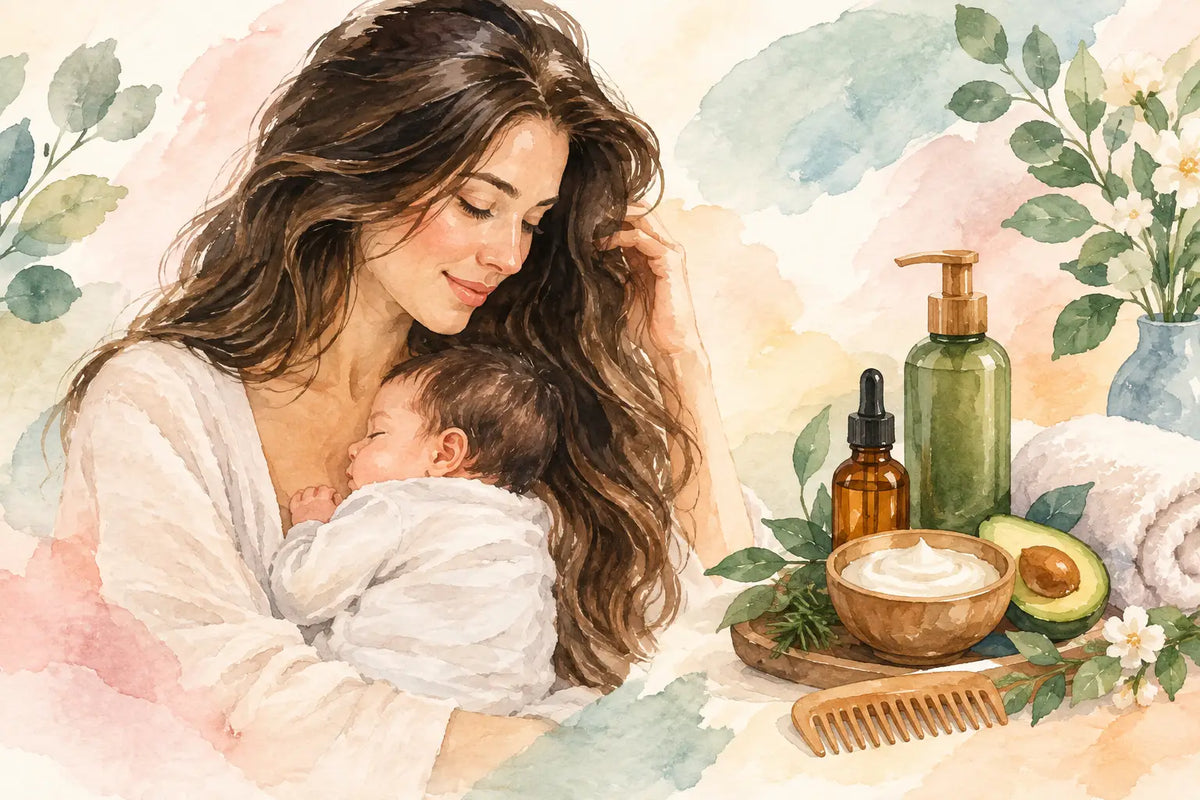
A widening parting, a shower drain full of hair, the unsettling feeling that your ponytail has halved overnight: postpartum shedding can feel disproportionately distressing at a time when your body and routine are already being asked to do so much. The best postpartum hair treatments do not promise an overnight reversal. They pair an accurate diagnosis with scalp-first care, targeted nutritional support and, where appropriate, evidence-based medical treatment.
For many women, this phase is temporary. It is also real, visible and worthy of considered care. The right approach protects the hair you have, supports healthy regrowth and identifies the smaller group of cases that need clinical investigation rather than another supplement.
Why postpartum hair shedding happens
During pregnancy, higher oestrogen levels keep more hairs in their growth phase for longer. After birth, those hormone levels fall and a larger number of follicles shift together into the shedding phase. This is known as postpartum telogen effluvium.
Shedding often begins two to four months after delivery, may peak around month four, and commonly settles within six to 12 months. Density can take longer to feel fully restored, particularly around the temples and hairline where shorter regrowth is most obvious. Breastfeeding is not the cause of hair loss, although the demands of feeding, disrupted sleep and reduced nutrient intake can make recovery feel slower.
Postpartum shedding can also reveal an underlying tendency towards female-pattern hair loss. If your parting was gradually widening before pregnancy, or there is a strong family history of thinning, the hair may not return to its previous density without a more targeted plan. That distinction matters because telogen effluvium and pattern thinning respond differently.
Best postpartum hair treatments: a considered approach
Begin with the scalp, not a styling fix
A healthy scalp is the foundation for better-looking, more resilient hair. That does not mean aggressive exfoliation or a crowded shelf of stimulating products. It means cleansing often enough to remove oil, sweat and product residue without leaving the scalp tight, itchy or inflamed.
Choose a high-quality shampoo suited to your scalp condition rather than simply your hair texture. Those with flaking, redness or persistent itch may benefit from a clinically formulated anti-dandruff shampoo, but should seek professional advice if symptoms continue. Inflammation, seborrhoeic dermatitis and psoriasis can all increase shedding or make it harder to tolerate growth treatments.
Scalp serums containing peptides, antioxidants or carefully selected botanical actives can be a refined addition to a regimen. They may support scalp comfort and the appearance of fuller hair, particularly when used consistently. They should not, however, be positioned as a substitute for medical treatment where there is established pattern thinning.
Avoid heavy oils directly on an irritated or congested scalp, and resist the temptation to scrub more vigorously. A reactive scalp needs restoration, not punishment.
Correct nutritional gaps with precision
Postpartum nutrition is often discussed in broad, simplistic terms. Hair follicles are metabolically active, and they do require adequate energy, protein, iron, zinc, vitamin D, vitamin B12 and folate. Yet taking every available hair vitamin is not a strategy.
A protein-poor diet, rapid weight loss, restrictive eating or prolonged exhaustion can all contribute to shedding. Prioritise regular meals with sufficient protein, iron-rich foods and varied produce before assuming that a supplement is the answer. If shedding is heavy or prolonged, blood tests can identify deficiencies that are genuinely relevant, including ferritin and thyroid function.
Iron should only be supplemented when indicated, ideally following clinical advice. Excessive vitamin A can contribute to hair shedding, while high-dose biotin can interfere with certain laboratory tests. A premium supplement earns its place through sensible formulation and ingredient quality, not an inflated list of vitamins you do not need.
Protect fragile lengths while regrowth catches up
New growth is short and delicate. Frequent heat styling, tight buns, extensions and chemical processing can create breakage that makes postpartum shedding appear worse. This is not about abandoning a polished appearance. It is about changing the standard from maximum styling to strategic protection.
Use a gentle detangling approach, a heat protectant before hot tools, and a nourishing conditioner through the mid-lengths and ends. If your hair is very fine, select lightweight conditioning formulas so that softness does not come at the cost of volume. A precision cut can also make uneven density look intentional while the hair cycle normalises.
Consider clinically supported growth treatments
For persistent thinning, the most useful options are those with a credible evidence base and a clear suitability assessment. Topical minoxidil is one of the best-studied treatments for female-pattern hair loss and can be appropriate for some women after pregnancy. It is not always the right immediate choice, especially during breastfeeding, and it can cause an initial increase in shedding as follicles reset. Discuss timing, concentration and suitability with a qualified prescriber or clinician before starting.
Low-level light therapy is another non-invasive option used to support follicle activity in people with pattern thinning. Results are gradual and depend on consistent use over several months. It can be a valuable adjunct for the right candidate, but it is not a quick fix for the normal hormonal shedding that follows birth.
Platelet-rich plasma treatment may be considered in a clinical setting for women with ongoing density concerns or confirmed pattern hair loss. Some patients see meaningful improvement, but results vary and protocols differ between clinics. It should be selected because your diagnosis supports it, not because it is the most expensive treatment on the menu.
A clinician may also discuss prescription oral treatments in selected circumstances. These require an individual medical assessment and are generally not suitable during pregnancy or breastfeeding. This is where expert guidance protects both your results and your wellbeing.
What to avoid when your hair feels vulnerable
The postpartum period makes persuasive marketing particularly tempting. Be cautious with dramatic claims around rosemary oil, caffeine shampoos and collagen powders. Some may improve the sensory experience of a hair routine or support general hair quality, but none should be relied upon to correct an iron deficiency, thyroid disorder or androgen-driven thinning.
At-home microneedling is another area where restraint is sensible. A compromised scalp barrier, poor technique or unsterile devices can lead to irritation and infection. Treatment should feel like elevated care, not a stressful experiment conducted between feeds and broken sleep.
Similarly, do not start multiple new treatments at once. If your scalp becomes itchy or shedding appears worse, you need to know which variable changed. Introduce one considered product or intervention at a time and give it a realistic evaluation period.
When postpartum shedding needs a professional assessment
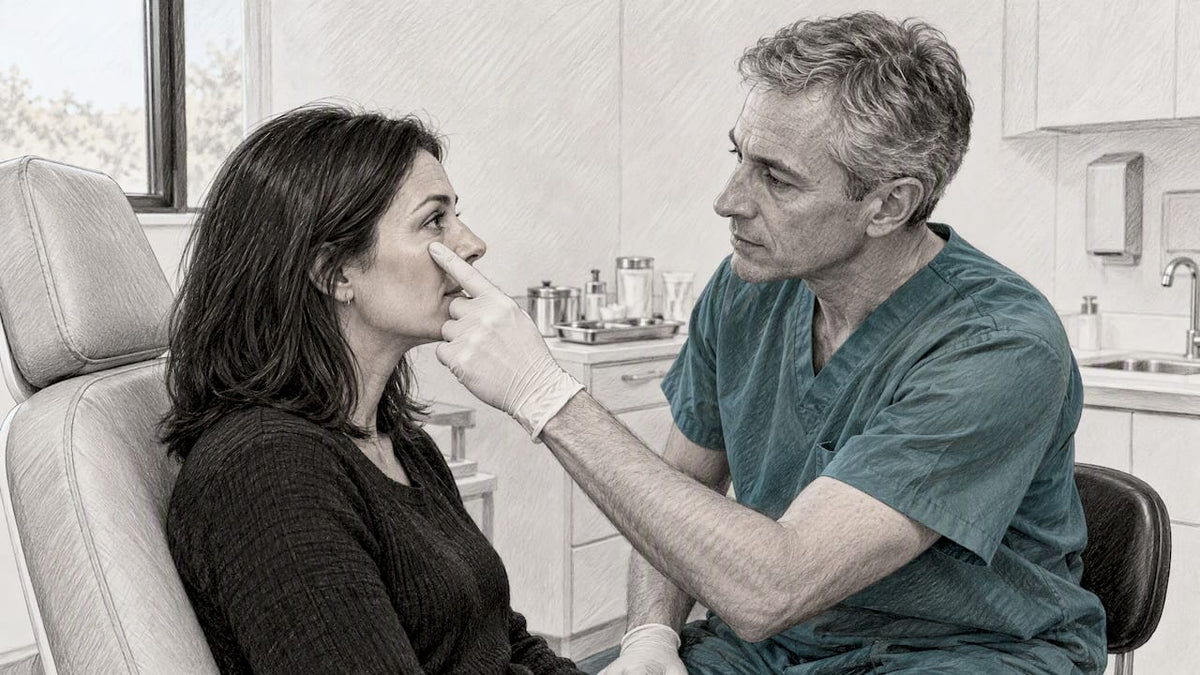
Postpartum telogen effluvium is common, but it should not automatically be dismissed. Arrange an assessment if shedding is severe, continues beyond 12 months, or is accompanied by scalp symptoms or changes elsewhere in your health. Seek guidance sooner if you notice:
- distinct bald patches or sharply defined areas of loss
- burning, pain, heavy scaling or significant scalp redness
- fatigue, palpitations, cold intolerance or unexpected weight changes
- a visibly widening parting that was present before pregnancy
The most reassuring truth is that postpartum shedding is often a temporary response to a major hormonal transition, not a sign that you have failed to care for yourself. Give regrowth the conditions it needs: adequate nourishment, a calm scalp, gentle handling and clinical support when the pattern calls for more. Small, consistent choices are what allow density and confidence to return.