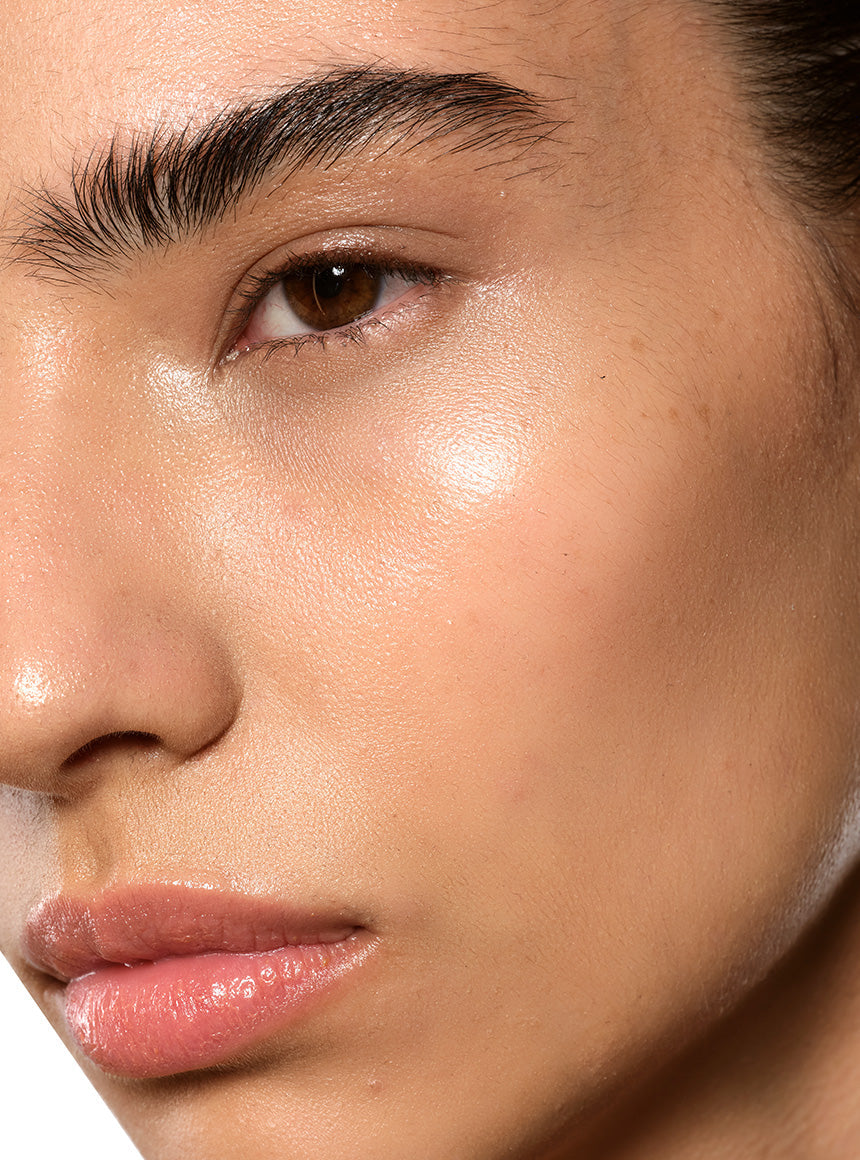





Growth Factors Skincare Benefits, Explained
Fine lines that appear more pronounced after a busy season, skin that no longer seems to recover as quickly, a loss of firmness that skincare alone has struggled to shift - these are the concerns behind the growing interest in growth factors skincare benefits. This is not a trend-led ingredient category. When thoughtfully formulated and used within a disciplined regimen, growth factor technology can support a more refined, resilient-looking complexion.
For those investing in clinical-grade skincare, the appeal is clear: sophisticated formulas designed to support visible skin renewal without relying solely on exfoliation or irritation. Yet not every product using the term delivers the same standard, and expectations need to be precise.
What are growth factors in skincare?
Growth factors are naturally occurring signalling proteins involved in the way skin cells communicate. In the body, they help direct processes associated with repair, renewal and the maintenance of healthy tissue. Topical skincare formulas use bioengineered, laboratory-created or cell-culture-derived versions of these signalling molecules, or blends intended to support similar pathways.
They are often found in high-performance serums and recovery-focused formulas, particularly those positioned for ageing concerns, compromised skin barriers and post-procedure care. Depending on the brand and technology, you may see terms such as epidermal growth factor, fibroblast growth factor, transforming growth factor, cytokines, peptides, conditioned media or proprietary growth factor complexes.
These terms are not interchangeable. A beautifully packaged serum may contain a growth factor-inspired ingredient rather than a meaningful concentration of validated growth factor technology. The quality of the formulation, the stability of the actives and the clinical evidence behind the finished product matter far more than a compelling ingredient list.
Growth factors skincare benefits for mature skin
The principal benefit is not an overnight transformation. Growth factors are best viewed as supportive messengers within a long-term strategy for skin quality. With regular use, a well-designed formula may help the skin look smoother, more supple and more rested, particularly where environmental stress, sun exposure and age-related changes have affected texture.
A smoother appearance of fine lines
As collagen and elastin support naturally decline, fine lines can become more visible, especially around the eyes, mouth and forehead. Growth factor formulas are commonly chosen to support the appearance of firmer, smoother skin over time. They do not replace the structural effects of in-clinic treatments, but they can be an intelligent at-home complement for clients who want to protect and extend their investment in professional care.
This makes them particularly compelling for skin that looks crepey, fatigued or less bouncy rather than simply dry. A rich moisturiser can soften dehydration lines quickly. Growth factor skincare addresses a different ambition: improving the appearance of overall skin quality through consistent, advanced care.
Support for recovery and resilience
Skin is continually responding to ultraviolet exposure, pollution, fluctuating hormones, active ingredients and aesthetic procedures. Recovery-focused formulas containing growth factor technology are often appreciated when the complexion feels sensitised, depleted or slow to regain its usual clarity.
That does not mean growth factors should be treated as a substitute for barrier care. Ceramides, humectants, soothing lipids and daily broad-spectrum SPF remain essential. Rather, growth factors can sit alongside them, adding an additional layer of support for a complexion that needs both comfort and visible refinement.
More even-looking texture and radiance
Uneven texture can make skin appear dull even when pigmentation is well managed. By supporting the skin’s renewal processes, growth factor formulas may help improve the look of roughness and surface irregularity. Over time, this can translate into a more luminous finish and make make-up sit more elegantly.
For clients managing melasma or post-inflammatory hyperpigmentation, this distinction is important. Growth factors are not a primary pigment treatment. They do not replace diligent SPF, pigment inhibitors, retinoids or prescription-led care where appropriate. However, a less inflamed, better-supported skin barrier can make an active pigmentation plan easier to tolerate.
Who is most likely to benefit?
Growth factor skincare is especially well suited to those noticing early to established signs of ageing, persistent textural change or a reduction in skin vitality. It can also appeal to clients whose skin has become less tolerant of aggressive routines and who want results without adding another high-irritation active.
This category can be a considered choice for deeper skin tones, where preventing unnecessary inflammation is central to managing uneven tone and post-inflammatory marks. The goal is never to avoid effective ingredients altogether. It is to build a regimen that delivers results without repeatedly pushing skin into a reactive state.
Those with very oily or acne-prone skin can use growth factors too, but formula selection is key. A rich recovery cream may be ideal for dry, mature skin and feel excessive on a congestion-prone complexion. In that case, a lighter serum layered beneath an appropriate moisturiser is usually the more elegant approach.
How to use a growth factor serum well
Apply a growth factor product to clean, dry skin, usually after a gentle cleanse and before moisturiser. Many people prefer it in the evening, when the routine can remain focused and skin is not exposed to daily environmental stressors. It can also be used in the morning if the formula is designed for twice-daily application, followed by broad-spectrum SPF.
The key is consistency. Unlike an exfoliating acid that may create a temporary sensation of smoothness, growth factor formulas tend to reward steady use over weeks and months. Photographing your skin in the same natural light each month can be more useful than judging results day to day.
Growth factors can generally work alongside vitamin C, retinoids and peptides, but a complete routine should be organised around tolerance. If you are newly introducing retinoids, recovering from a peel or managing rosacea-prone skin, avoid changing every product at once. Establish the growth factor formula first, then add or reintroduce other actives gradually.
What to look for in an advanced formula
Premium skincare is justified by more than a luxury texture. Look for a brand that clearly explains its technology, testing standards and intended skin concerns. Clinical data on the finished formula is more meaningful than broad claims about a single ingredient used in a laboratory setting.
Packaging also deserves attention. Signalling proteins can be sensitive, so opaque, air-restrictive packaging may help preserve formula integrity. A transparent bottle that sits on a sunny bathroom shelf is not the ideal environment for a high-value active.
Finally, distinguish growth factors from exosomes. The terms are frequently used together, but they are different technologies and are subject to different evidence, quality-control and regulatory considerations. Exosome products, particularly those marketed for post-procedure use, warrant especially careful professional guidance. A reputable skincare consultation can help identify whether either category belongs in your routine rather than relying on social media claims.
Realistic expectations create better results
Growth factor skincare is an investment in gradual improvement, not a replacement for sunscreen, a well-chosen retinoid or clinical treatment when deeper correction is required. Results vary according to age, baseline skin health, sun exposure, hormones, consistency and the rest of the regimen.
If your priority is active acne, significant melasma, persistent redness or sudden changes in skin behaviour, address the underlying concern first. The most sophisticated serum cannot compensate for an unsuitable cleanser, untreated inflammation or inconsistent sun protection.
Choose growth factor skincare when your aim is to elevate the quality of your skin, not chase a dramatic overnight fix. In the right formula and routine, it can become one of the most refined ways to support skin that looks rested, resilient and quietly radiant.