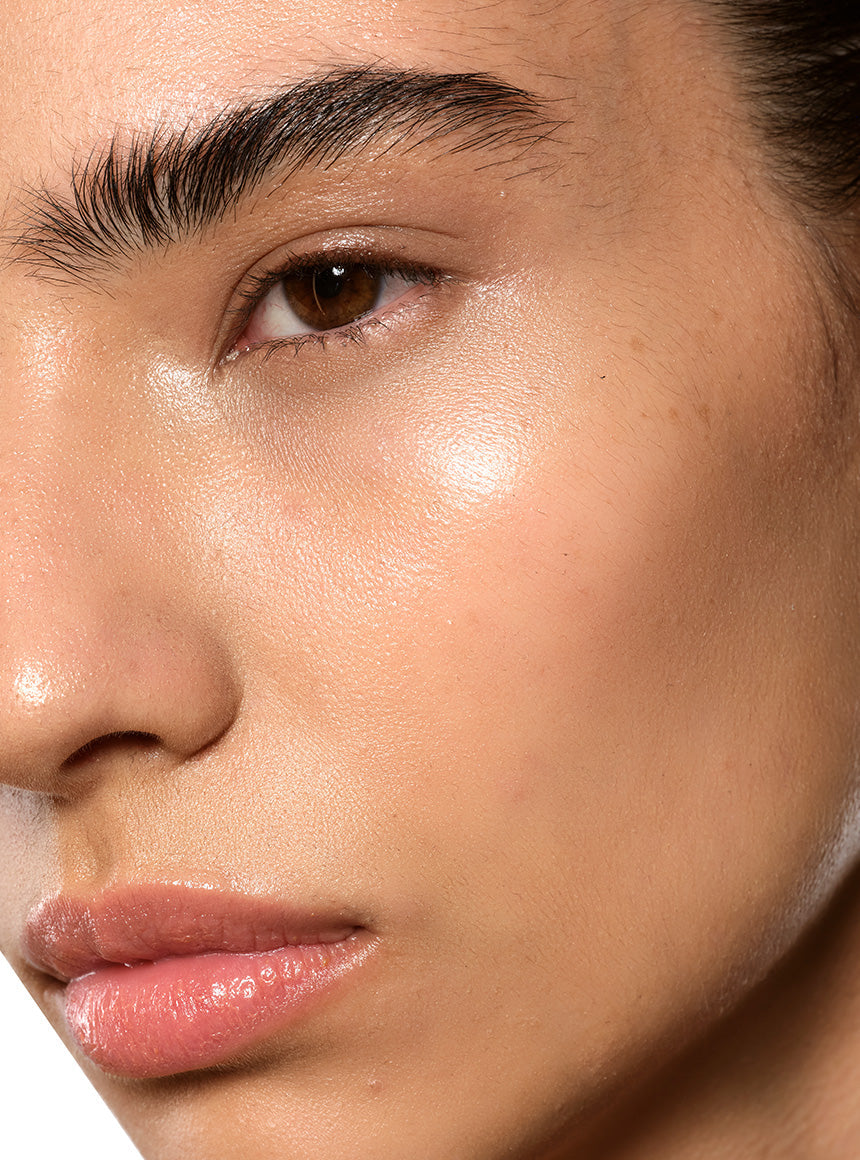





Even Skin Tone for Deep Complexions That Lasts
Uneven tone on deep skin is rarely a matter of simply finding a stronger brightening serum. Post-inflammatory hyperpigmentation can linger after a single blemish, shaving irritation, eczema flare or aggressive facial treatment, while melasma and sun exposure can create more diffuse patches of discolouration. Achieving even skin tone for deep complexions calls for precision: treating excess pigment without triggering the inflammation that encourages more of it.
The most effective approach is not harsh. It is consistent, barrier-conscious and tailored to the cause of the pigmentation. That distinction is where clinically led skincare earns its place.
Why deep complexions can develop persistent pigmentation
Melanin is protective, but it is also highly responsive. In deeper complexions, the cells responsible for pigment production can react vigorously to inflammation, heat, ultraviolet exposure and visible light. The result may be marks that appear brown, grey-brown, purple-brown or markedly darker than the surrounding skin, often long after the original trigger has resolved.
Acne is a common cause, but it is not the only one. Friction from hair removal, ill-fitting masks or headwear, dermatitis, insect bites, fragranced products and over-exfoliation can all leave their mark. For some, hormones and light exposure contribute to melasma across the cheeks, forehead or upper lip. These concerns can overlap, which is why copying a routine designed for someone else rarely delivers elegant results.
There is also a crucial trade-off: the more irritated skin becomes, the greater the chance of further discolouration. A routine that peels, stings or leaves the skin visibly inflamed may look active, but it can be counterproductive.
The foundation for even skin tone in deep complexions
Before introducing a corrective programme, stabilise the skin. A healthy barrier makes active ingredients more tolerable and helps prevent the cycle of irritation and pigmentation.
Begin with a non-stripping cleanser that removes sunscreen, make-up and daily pollution without leaving the skin tight. Follow with a moisturiser rich in barrier-supportive ingredients such as ceramides, glycerin, squalane and fatty acids. This is not a passive step. Well-hydrated skin is more resilient when introducing retinoids, exfoliating acids or pigment-correcting treatments.
Daily broad-spectrum SPF is equally non-negotiable. Deep skin tones need sun protection, not because they lack melanin, but because ultraviolet radiation and visible light can aggravate existing hyperpigmentation and melasma. For stubborn pigment concerns, a high-protection formula with iron oxides may be particularly valuable, as tinted mineral pigments can offer additional visible-light coverage. The best choice is one you will apply generously and reapply when exposed to daylight.
A refined routine should feel sustainable. If a premium corrective serum is used sporadically because it causes discomfort, it will not outperform a well-chosen formula used consistently.
Choose active ingredients by the pattern of pigmentation
Different ingredients work through different pathways, and layering every option at once is not a sophisticated strategy. Select a focused combination, then allow time for it to work.
For post-acne marks and uneven texture
A retinoid can be transformative where pigmentation sits alongside congestion, breakouts or textural irregularity. Retinoids support cellular turnover and can help regulate acne, reducing the new inflammation that creates future marks. Start gradually, particularly if your skin is dry, reactive or new to vitamin A. Two evenings a week may be enough at first, followed by moisturiser.
Azelaic acid is another intelligent choice for acne-prone or sensitive skin. It can support a clearer complexion while addressing visible redness and uneven tone, often with a gentler profile than stronger exfoliating acids. Results are cumulative rather than immediate, but that makes it well suited to a long-term regimen.
For diffuse discolouration and melasma-prone skin
Melasma requires patience and daily protection. Vitamin C, tranexamic acid, niacinamide and selected pigment inhibitors can form an effective topical programme, particularly when paired with meticulous SPF use. Vitamin C can also provide antioxidant support against environmental exposure, though formula stability and skin tolerance matter more than a headline percentage.
For more established or resistant pigmentation, a clinician may recommend prescription options such as hydroquinone for a defined period. This is not an ingredient to self-prescribe indefinitely. It requires appropriate supervision, planned breaks and a wider routine designed to preserve the skin barrier.
Cysteamine-based treatments may also suit some people with persistent marks or melasma, but their application method and potential odour make professional guidance useful. The right answer depends on your diagnosis, sensitivity and willingness to follow a precise protocol.
For dullness without obvious patches
If the concern is a general lack of radiance rather than distinct dark marks, look first at dehydration, accumulated surface cells and inconsistent sun protection. A mild leave-on exfoliant can improve clarity, but it should be introduced cautiously. Mandelic acid is often favoured for its larger molecular size and more gradual action; however, no acid is automatically gentle at every strength or frequency.
Avoid stacking an exfoliating acid, retinoid and strong vitamin C in one evening simply because each is associated with brightness. Clinical skincare is about strategic placement, not maximum intensity.
Build a routine that gives pigment a chance to fade
A reliable morning routine can be concise: cleanse as needed, apply one antioxidant or pigment-correcting serum, moisturise, then finish with broad-spectrum SPF. At night, cleanse thoroughly, use either a retinoid or a targeted corrective treatment, and seal it in with a barrier-supporting moisturiser.
On rest nights, use no strong actives at all. This is especially valuable when treating deep complexions, where invisible low-grade irritation can still perpetuate uneven tone. Think of recovery nights as part of the treatment plan, not a pause from it.
Introduce one new active at a time and give it two to three weeks before adding another. That pace makes it easier to identify what your skin responds to, and what it does not tolerate. It also prevents the familiar cycle of reacting, stopping everything, then starting again from scratch.
Treatments need expertise, not escalation
Professional treatments can accelerate progress, but deeper skin tones require thoughtful selection and skilled technique. The goal is controlled stimulation without unnecessary inflammation. Superficial chemical peels, microneedling and certain energy-based treatments may be appropriate in expert hands, depending on the concern and the individual’s history of pigmentation.
The wrong treatment, timing or aftercare can worsen discolouration. This is particularly relevant if you have active acne, eczema, a recent flare, a history of keloid scarring or melasma. A consultation should cover your current routine, previous reactions, medication, hormonal influences and how your skin heals after inflammation.
Be wary of anyone promising to erase pigmentation in a single session. Even when advanced treatments are indicated, the most credible results come from a programme of preparation, treatment, recovery and maintenance.
How to measure progress without chasing perfection
Pigment changes slowly. With a consistent home routine, early improvements may become visible after eight to twelve weeks, while deeper or hormonally driven discolouration can require longer. Take photographs in the same natural light every four weeks rather than judging your skin daily in changing bathroom lighting.
Look for meaningful changes: fewer new marks after breakouts, softer edges around existing patches, more uniform tone and improved luminosity. Your natural depth and undertone do not need correcting. The aim is healthy, comfortable skin with less visible contrast from unwanted discolouration.
If marks are spreading, becoming raised, itching, changing shape or not responding to a considered regimen, seek medical assessment. Not every dark area is cosmetic pigmentation, and a precise diagnosis protects both your skin and your investment.
A beautifully even complexion is built through restraint as much as intervention. Choose clinically proven actives, protect the progress you make every morning, and give your skin the consistency it needs to redefine its radiance.