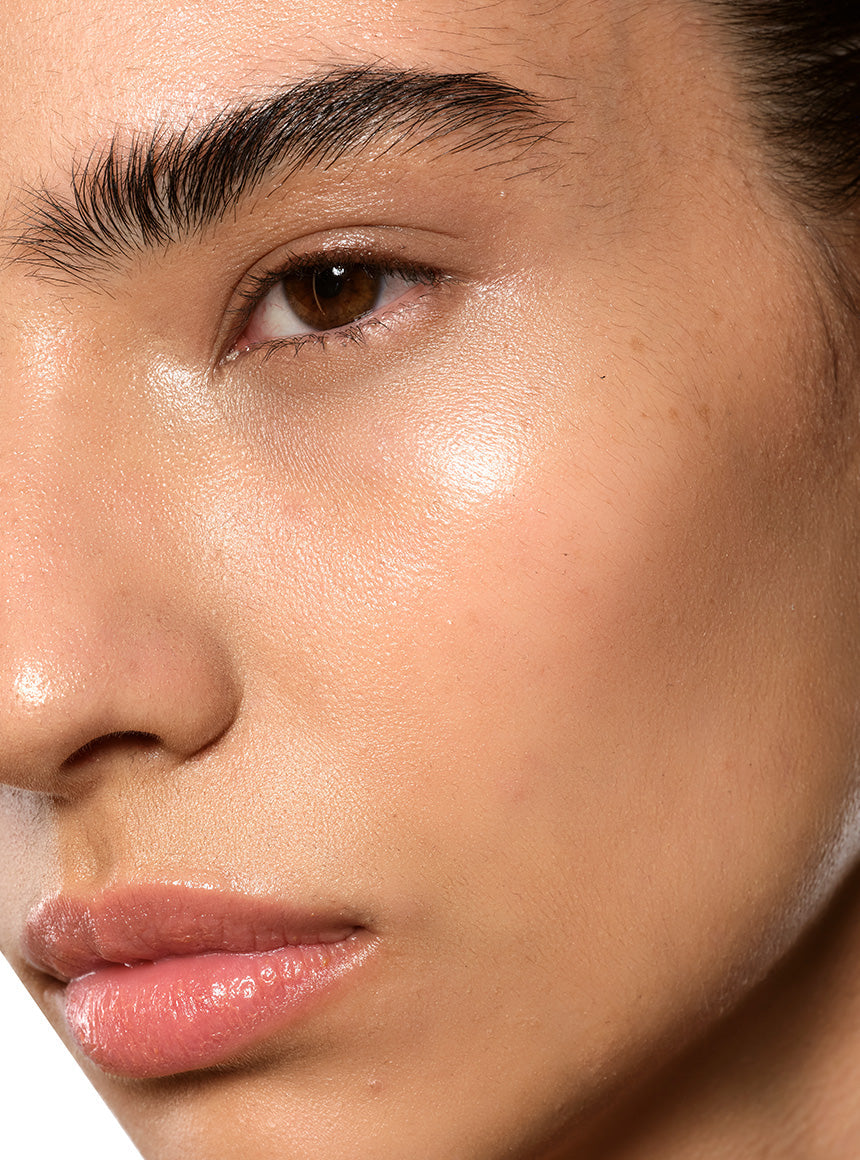




Article: What Causes Sudden Facial Dryness? Expert Answers

What Causes Sudden Facial Dryness? Expert Answers
A complexion that felt comfortable last week can suddenly become tight, flaky and reactive - sometimes even when you have changed nothing obvious. If you are asking what causes sudden facial dryness, the answer is rarely simply that your skin needs a richer moisturiser. Sudden dryness is often a signal that the skin barrier is under pressure, whether from your routine, your environment, a treatment, or an underlying skin condition.
The right response is not to add every hydrating product in your cabinet. It is to identify the trigger, remove unnecessary irritation and support recovery with a considered, barrier-first approach.
What causes sudden facial dryness?
Your outermost layer of skin, the stratum corneum, is designed to retain water and keep irritants out. It relies on a highly organised structure of skin cells, natural moisturising factors and lipids such as ceramides, cholesterol and fatty acids. When that structure is disrupted, water evaporates more readily from the skin. The result can be dryness, rough texture, stinging, redness and make-up that no longer sits smoothly.
A sudden shift usually has a recent cause. It may be a newly introduced active, a change in weather, increased cleansing, an aesthetic procedure, or a flare of eczema or contact dermatitis. More than one factor often applies. For example, a retinoid that was previously well tolerated may become irritating during a cold spell, after a peel, or when paired with an exfoliating cleanser.
Your active skincare has become too active
Retinoids, exfoliating acids, benzoyl peroxide and higher-strength vitamin C formulas can deliver exceptional results for acne, pigmentation, uneven texture and visible ageing. However, they can also compromise the barrier when introduced too quickly, used too often or layered without strategy.
This does not mean clinically proven actives are unsuitable for dry skin. It means frequency, concentration and formulation matter. Retinoids can cause an adjustment period with dryness and fine peeling, particularly around the mouth, nose and eyes. Alpha hydroxy acids may leave skin feeling polished at first, then unexpectedly tender if the skin has not had enough recovery time.
If facial dryness appeared shortly after changing your regimen, pause the newest active product first. Do not attempt to treat flaking with further exfoliation. A smooth-looking peel is not always healthy skin; persistent tightness, burning or scaling is a sign to step back.
Cleansing, hot water and over-washing
Cleansing is one of the most overlooked causes of a dry, uncomfortable face. Strong surfactants, fragranced cleansers, cleansing brushes and very hot water can strip surface lipids faster than the skin can replenish them. Double cleansing can be appropriate for removing long-wear SPF and make-up, but it is not automatically necessary every evening, particularly when skin is already reactive.
A face that feels squeaky-clean is not necessarily clean in a beneficial way. It may be depleted. Choose a gentle, non-stripping cleanser, use lukewarm rather than hot water and keep cleansing purposeful. In the morning, some dry or sensitised skin types may only need a rinse or a very mild cleanse, depending on their prescribed routine and tolerance.
Weather, central heating and air travel
Cold outdoor air and dry indoor heating create a familiar winter pattern: flaky cheeks, a tight forehead and an irritated nose. Low humidity increases transepidermal water loss, while wind further stresses vulnerable skin. Summer can be equally challenging when sun exposure, air conditioning, salt water or frequent showering enter the picture.
Travel often produces the same effect. Cabin air is exceptionally dry, sleep is disrupted and routines become inconsistent. Skin that is borderline dry at home can become visibly dehydrated after a flight or a few days in a heavily air-conditioned hotel.
A richer moisturiser may help in these settings, but technique matters too. Apply it onto lightly damp skin after cleansing to help hold water at the surface. During periods of barrier stress, a formula with humectants, emollients and skin-identical lipids offers more complete support than a lightweight gel alone.
Irritant or allergic contact dermatitis
Sudden dryness accompanied by itching, burning, rash-like redness or swelling may be contact dermatitis rather than ordinary dryness. Irritant contact dermatitis occurs when something repeatedly damages the skin, such as harsh skincare, fragrance, essential oils, alcohol-heavy products, hair dye or even frequent mask wearing. Allergic contact dermatitis is an immune response to a specific ingredient, which can develop even after years of apparently uncomplicated use.
Common culprits are not limited to facial products. Shampoo, conditioner, styling spray, perfume, nail products and laundry fragrance can all transfer to the face. The eyelids, sides of the neck and area around the mouth are especially susceptible.
If your skin is inflamed, keep the routine deliberately minimal while you seek appropriate advice. Introducing multiple soothing products at once can make it harder to identify the offender and may compound the reaction.
Treatments and procedures that can cause facial dryness
Professional treatments are designed to create change, and some degree of temporary dryness can be expected after chemical exfoliation, microneedling, laser procedures or prescription acne treatment. The relevant question is whether the reaction is within the expected recovery window and whether the aftercare is sufficiently protective.
Post-procedure skin should not be treated as business as usual. Avoid exfoliants, retinoids, scrubs and fragranced products until your clinician confirms that they can be reintroduced. Daily broad-spectrum SPF is non-negotiable, particularly for those prone to post-inflammatory hyperpigmentation. In deeper skin tones, excessive inflammation can leave lingering uneven pigmentation even after the initial dryness has settled.
Be cautious with at-home peels and devices, especially if you are already using prescription-strength actives. More intensity is not synonymous with better outcomes. Premium skincare performs best when it is placed within a regimen that respects the skin's recovery capacity.
When dryness may point to a skin condition
Dryness that is recurrent, intensely itchy, sharply defined or accompanied by cracking may require clinical assessment. Eczema commonly presents with dryness and itch, while seborrhoeic dermatitis can cause flaking around the eyebrows, nose and hairline. Rosacea may feel dry and sting even when the skin also looks flushed. Psoriasis can produce thicker, more clearly demarcated scale.
Less commonly, persistent new dryness can be influenced by medication, hormonal changes or health concerns including thyroid disease. This does not mean every dry patch indicates a systemic problem. It does mean that stubborn symptoms deserve more than endless product experimentation.
Seek advice promptly if you develop facial swelling, blistering, crusting, weeping skin, eye involvement, significant pain or a rapidly spreading rash. These signs call for medical guidance rather than a new serum.
A precise reset for a compromised skin barrier
When dryness arrives suddenly, reduce variables for seven to 14 days. Use a gentle cleanser, a replenishing moisturiser and broad-spectrum SPF in the morning. At night, cleanse gently and apply moisturiser. Pause exfoliating acids, retinoids, physical scrubs, masks and any newly introduced treatment products until the skin feels calm rather than merely less flaky.
Look for formulas that combine humectants such as glycerin or hyaluronic acid with emollients and barrier lipids. Humectants attract water, but without a supportive moisturising base they can feel insufficient in a dry climate. Richer creams are often better suited to an impaired barrier, although acne-prone skin may prefer a lighter, non-comedogenic emulsion. The ideal texture depends on your skin, climate and the rest of your regimen.
Resist the urge to use a facial oil as the only answer. Oils can reduce water loss and improve comfort, but they do not replace water-binding ingredients or the lipid balance needed for barrier repair. They are best viewed as a supporting layer, not a complete recovery plan.
Once symptoms have settled, reintroduce one active at a time, beginning with the product most essential to your goals. Consider using it less frequently than before and sandwiching potentially drying actives between moisturising layers where appropriate. This is not a compromise in results. It is how results become sustainable.
When expert guidance changes the outcome
Skin that repeatedly becomes dry despite careful basics may need a more tailored plan. Acne, rosacea, melasma and visible ageing often require active treatment, but a high-performance regimen should not leave the skin chronically uncomfortable. An expert consultation can distinguish temporary dehydration from dermatitis, product intolerance or a condition needing medical review.
At The M-ethod Aesthetics, the focus is not on adding more steps for the sake of it. It is on selecting clinically considered products that protect the barrier while advancing your specific skin goals. The most refined skincare routines are often the most disciplined: fewer conflicts, better formulations and a clear reason for every product.
Sudden facial dryness is your cue to slow down and listen to the skin in front of you. Restore comfort first, then rebuild your treatment plan with precision - because lasting radiance depends on a barrier strong enough to support it.