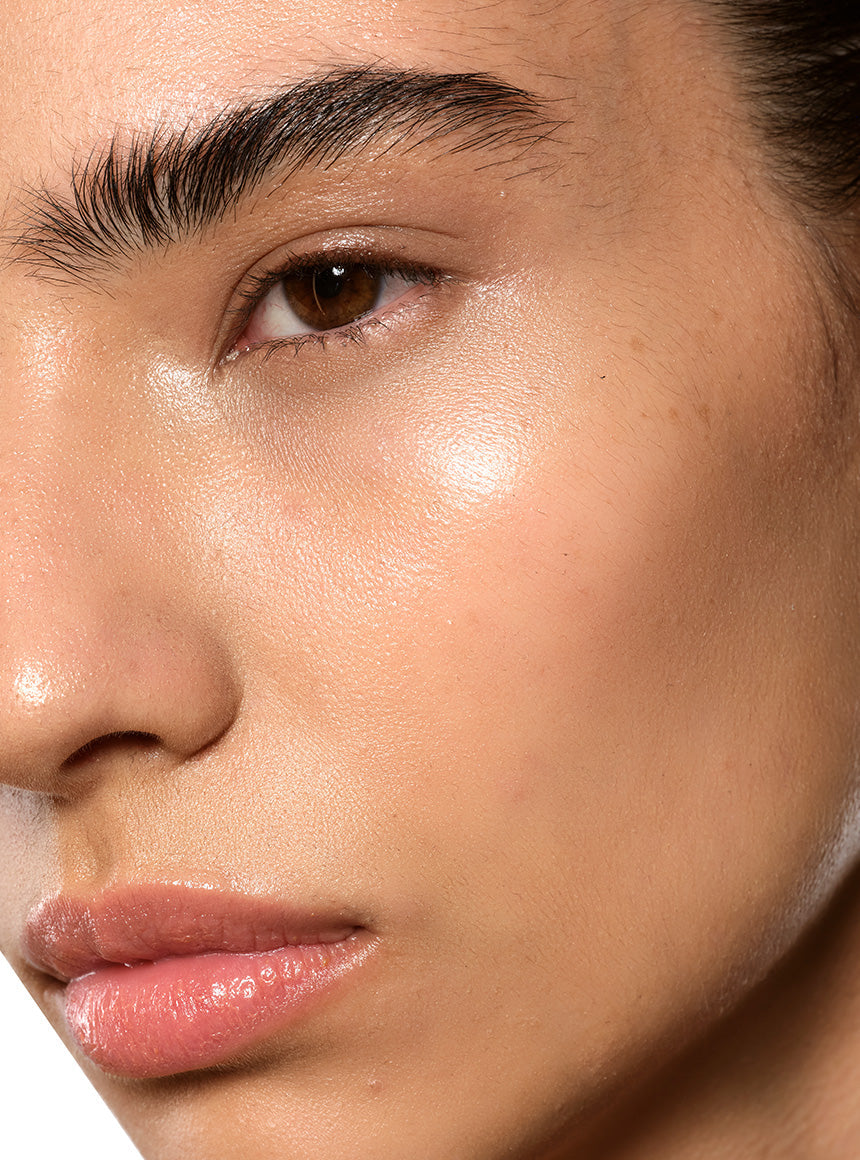




Article: AHA With Retinol: Clinician Schedules and FDA Sun Safety

AHA With Retinol: Clinician Schedules and FDA Sun Safety
Yes, you can use AHA with retinol, but careful scheduling matters more than the combination itself. For most people, alternating nights or choosing a single well-formulated product reduces irritation while keeping results. If you have sensitive skin, are pregnant, or use isotretinoin, we recommend getting clinician advice before combining the two, and daytime sunscreen is non-negotiable either way.
TL;DR:
- Patch test each product separately for two to three nights; begin retinol two to three nights weekly, then introduce AHA on off nights once tolerated.
- Use broad spectrum sunscreen every morning, limit sun exposure, and continue these precautions for one week after stopping an AHA product.
- If you are pregnant, use isotretinoin, or have active dermatitis, avoid combining AHAs with retinol until a clinician advises you.
- Expect six to eight weeks of consistent, tolerated use before judging results, and reduce frequency or consult a clinician if redness, burning, or peeling persists.
Table of Contents
- What AHAs and retinol do to your skin and why that matters
- Evidence-based risks and sun-protection rules
- Step-by-step protocols to combine AHAs and retinol safely
- Copy-ready routine examples for beginners, experienced users and sensitive skin
- How our clinicians approach AHA and retinol plans
- Patience and barrier-first thinking
- How we can help you build an AHA and retinol routine
- FAQ
- Sources
What AHAs and retinol do to your skin and why that matters
AHAs, mainly glycolic and lactic acid, work on the skin’s surface. They loosen the bonds between dead skin cells, which smooths texture and brightens tone. How strongly an AHA performs depends on its concentration and the formula’s pH, with lower pH generally meaning faster, more noticeable exfoliation, and more potential for irritation.
Retinol works differently and deeper. As a retinoid, it speeds up cell turnover below the surface and stimulates collagen production over time, which is why consistent night-time use delivers smoother, firmer skin months into a routine. Retinoids also increase photosensitivity, which is part of why dermatologists recommend reserving them for the evening and pairing them with daytime sun protection, a point we return to below.
The two actives working together can stress the skin barrier more than either alone. A common belief holds that AHAs “deactivate” retinol through a pH reaction, but the clinical picture is less dramatic: the real concern is cumulative irritation from two active ingredients targeting skin renewal at once, not a chemical cancelling-out effect. That distinction shapes how we build combination routines: the goal is pacing the actives, not avoiding a mythical neutralisation.

Evidence-based risks and sun-protection rules
The FDA’s guidance on alpha hydroxy acids notes that topical AHA use can heighten skin sensitivity to the sun and the risk of sunburn.
Studies showed four weeks of AHA application increased UV-induced skin reddening significantly in studies cited by the FDA, alongside increased markers of UV-related cellular damage. That is why sun protection around AHA and retinol use is a rule, not a suggestion.
The agency’s labelling guidance recommends a “Sunburn Alert” on AHA-containing products and advises daily sunscreen, protective clothing, and limited sun exposure while using these acids, continuing for one week after stopping.
In practice, that means:
- Apply a broad-spectrum sunscreen every morning, reapplying if you are outdoors for extended periods.
- Extend sun caution for a full week after you stop using an AHA product, not just while actively using it.
- Avoid combining AHAs with retinol if you are pregnant, using isotretinoin, or managing active dermatitis, and speak with a clinician first.
- Call a clinician if redness, stinging, or peeling persists beyond a few days rather than settling with continued use.
Step-by-step protocols to combine AHAs and retinol safely
Building tolerance works better than diving in with both actives nightly. Here is a sequence that supports the skin barrier while still letting you see results.
- Patch test each product separately on a small area for two to three nights before introducing it into your full routine.
- Start with retinol alone, two to three nights a week, before adding an AHA, so you can judge how your skin responds to each ingredient independently.
- Introduce the AHA on off-nights rather than layering it with retinol, building from once weekly to every third night as tolerance allows.
- Progress to alternate nights between AHA and retinol once both are well tolerated, moving towards nightly retinol with occasional AHA use if your skin stays calm.
- Watch for sustained redness, burning, or visible peeling, and step back to a lower frequency or consult a clinician if these persist.
Time-of-day separation also matters. Retinol is typically a night-only active due to its photosensitising effect, as the American Academy of Dermatology notes, while an AHA cleanser can sit comfortably in a morning routine since it rinses off before sun exposure. Dermatologists generally advise against applying leave-on AHAs and retinoids on the same night, suggesting alternating nights or using an acid cleanser on the days retinol is skipped, according to Byrdie.
Single-formulation products that combine an exfoliant and a retinoid are engineered for stability and reduced irritation, which makes them a different proposition from layering two separate leave-on actives, according to a clinical review of formulation strategies. These can suit more experienced users who have already built tolerance to each ingredient on its own. For a deeper walkthrough of layering order, our guide on how to layer retinol safely covers moisturiser placement in more detail.
Pro Tip: Apply a moisturiser before retinol on nights you are still building tolerance, a technique sometimes called “buffering” that softens the initial irritation without blunting long-term results.
Copy-ready routine examples for beginners, experienced users and sensitive skin
Your starting point should match your skin’s current tolerance, not an ideal you are aiming for eventually.
- Beginners: a gentle AHA cleanser or a weekly leave-on AHA, paired with retinol two to three nights a week; apply moisturiser before retinol if your skin feels tight.
- Experienced users: alternate nights between a leave-on AHA and retinol, supported by a consistent moisturiser and barrier-strengthening ingredients such as ceramides.
- Sensitive skin: swap AHA for a polyhydroxy acid (PHA), which supports renewal with less irritation, according to Healthline; use a lower-strength retinol, lean on emollients, and extend your ramp-up period.
- Prescription retinoids: build under clinician supervision, starting every two to three nights before increasing frequency, since prescription strengths carry a higher irritation risk than over-the-counter retinol.
Our article on building a retinoid routine that delivers walks through pacing in more depth if you want a longer-term plan. If irritation does flare despite careful pacing, practical, plant-based steps to soothe skin naturally can help calm things down while your barrier recovers.
How our clinicians approach AHA and retinol plans
We start every plan with an assessment of skin type, sensitivity history, and current product use, then build a tolerance-testing schedule rather than a fixed routine. Objective markers, not just how your skin feels, guide when we increase frequency or introduce a second active.

For some concerns, especially pigmentation or more advanced ageing, we recommend in-clinic treatment alongside or instead of a topical-only regimen. A virtual consultation lets us assess your skin remotely and recommend prescription-strength options where appropriate, something an over-the-counter routine cannot replicate on its own.
Patience and barrier-first thinking
Clients who see the steadiest results are the ones who resist rushing the ramp-up. Most people need six to eight weeks of consistent, well-tolerated use before judging whether a routine is working, and the biggest pitfall we see is adding too much, too soon.
Prioritise your barrier over an aggressive stack of actives. Sunscreen and a proper build-up schedule matter more than which acid you choose, and a prescription-strength step should always involve a clinician check first.
— Jess
How we can help you build an AHA and retinol routine
We work with clients through online consultations to tailor AHA and retinol plans around individual tolerance, skin concerns, and whether a prescription-strength option would serve you better than an over-the-counter routine. Because every assessment is one-to-one, the schedule you get reflects your skin rather than a generic protocol.
- Book an online skin consultation with Dr Mandy to get a tailored AHA and retinol plan.
- Browse our curated moisturisers, serums and sun-protection products suited to barrier support during active use.
- Read our guide on mixing retinol and acids safely for more on sequencing.
This article is general information, not a substitute for advice from a qualified doctor. Consult a qualified healthcare professional about your own circumstances before acting on anything here.
FAQ
What shouldn’t you mix retinol with?
Retinol is generally best kept apart from other potent actives used on the same night, particularly strong leave-on AHAs or BHAs, since combining them raises the risk of irritation and a compromised skin barrier. Alternating nights or separating application times, as outlined above, reduces this risk while still allowing both ingredients in a routine.
What works faster than retinol?
There is no verified figure showing any ingredient working a specific number of times faster than retinol, and we have not found a source that supports a such a claim. Retinol remains one of the most studied actives for cell turnover and collagen support, with results typically building over weeks to months rather than overnight.
What is the “1-2-3” approach to introducing retinol?
Dermatology guidance does not define a single official “1-2-3 rule”, though the phrase is sometimes used informally to describe a gradual build-up: starting with low frequency, increasing slowly, and always applying at night with daytime sun protection. The American Academy of Dermatology supports this general step-up approach rather than a fixed numeric formula.
What shouldn’t be combined with AHA or BHA?
Avoid layering AHAs or BHAs with other strong exfoliating or resurfacing actives, including retinol, on the same night, since stacking increases the chance of redness, stinging, and barrier disruption. Clinicians typically recommend alternating these actives across different nights and always pairing acid use with daytime sunscreen, as the FDA’s labelling guidance advises.
Sources
- Alpha Hydroxy Acids | FDA
- Retinoid or retinol? | American Academy of Dermatology (AAD)
- AHAs/BHAs vs. Retinol: Dermatologists Explain When and How to Use Each | Byrdie
- Peer-reviewed review on formulation/time-release approaches (PMC)