



Why treat sensitive skin professionally for optimal care
Sensitive skin affects millions, yet 80% of sufferers experience better results after professional assessment compared to self-treatment. Many struggle for years with trial and error, worsening symptoms through unsuitable products. Professional evaluation identifies root causes, eliminates guesswork, and delivers tailored regimens that transform skin health. This article explains why expert care matters, what professional treatment involves, and how personalised approaches achieve lasting results for reactive, uncomfortable skin.
Table of Contents
- Understanding Sensitive Skin: Definition And Mechanisms
- Why Sensitive Skin Requires Professional Assessment
- Risks And Limitations Of Self-Treatment For Sensitive Skin
- Professional Treatment Modalities For Sensitive Skin
- Common Misconceptions About Sensitive Skin Care
- Benefits Of Personalised Professional Care And Regimens
- Explore Professional Sensitive Skin Treatments At The M-ethod
- Frequently Asked Questions
Key takeaways
| Point | Details |
|---|---|
| Professional assessment is essential | Dermatologists identify triggers, underlying conditions, and barrier dysfunction that self-diagnosis misses. |
| Self-treatment carries significant risks | Nearly half of sensitive skin sufferers experience adverse reactions to over-the-counter products. |
| Personalised regimens deliver superior outcomes | Tailored plans reduce flare-ups by 50% and increase treatment adherence by 60%. |
| Advanced therapies offer proven benefits | Micro-needling reduces symptoms by 70%, whilst prescription formulas restore barriers 65% more effectively. |
| Common misconceptions delay effective care | Believing all sensitive skin responds identically or that natural equals safe prevents optimal treatment. |
Understanding sensitive skin: definition and mechanisms
Sensitive skin shows heightened reactivity and discomfort from typically harmless stimuli like skincare products, weather changes, or environmental factors. This condition stems from compromised barrier function that increases permeability and allows irritants to penetrate more easily. Impaired barriers lead to 20-30% higher transepidermal water loss, making skin vulnerable to dehydration and external triggers.
The physiological mechanisms behind sensitivity involve several interconnected factors:
- Reduced lipid content weakens protective barrier structure
- Elevated nerve fibre density increases pain and discomfort perception
- Increased immune cell activation triggers inflammatory responses
- Disrupted pH balance compromises natural defence mechanisms
This barrier dysfunction creates a vicious cycle where environmental factors cause inflammation, which further damages protective structures. Understanding these biological processes explains why expert tips for sensitive skin emphasise barrier repair and gentle care. Without addressing underlying mechanisms, surface treatments provide only temporary relief whilst root causes persist.
Why sensitive skin requires professional assessment
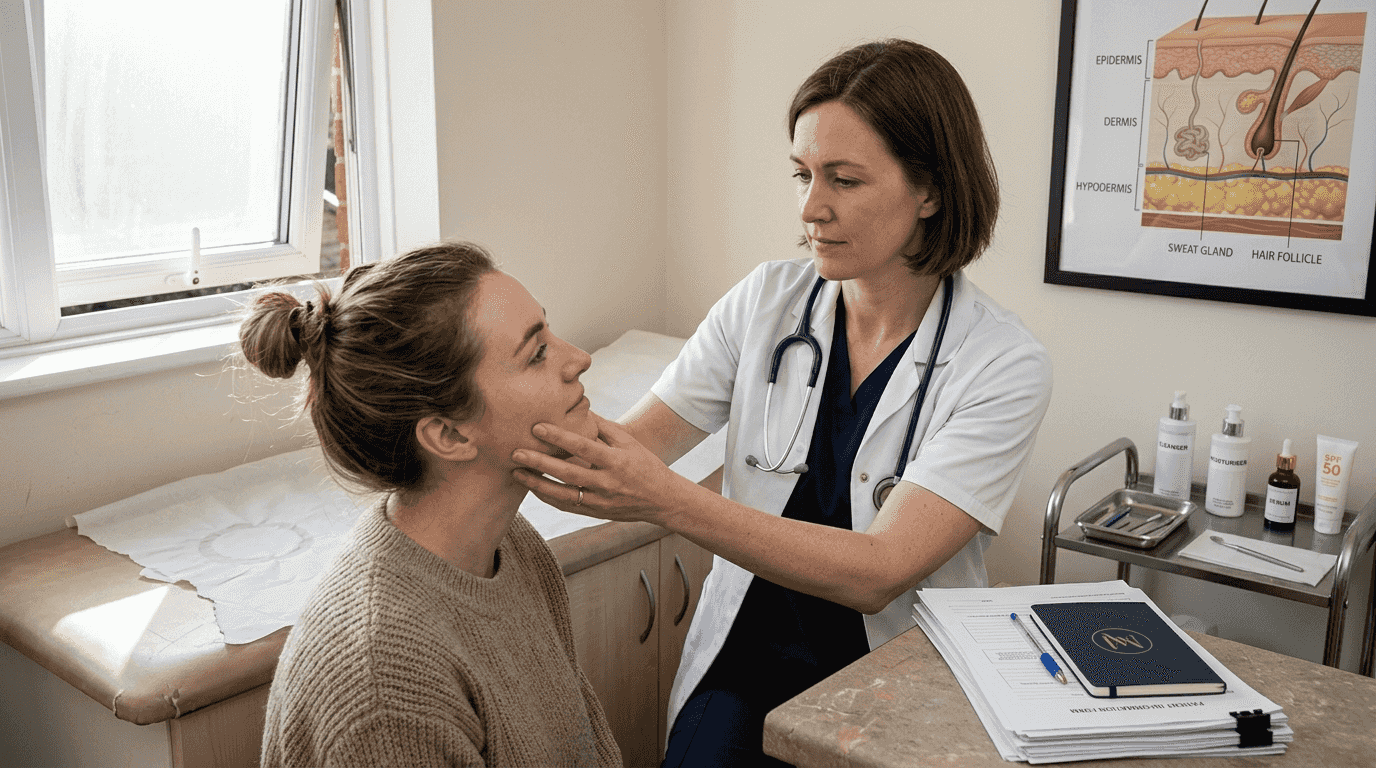
Professional evaluation transforms guesswork into precision care by identifying specific triggers, inflammatory patterns, and underlying dermatologic conditions. Dermatologists and skincare specialists use diagnostic tools like skin biophysical measurements to assess barrier function objectively. These technologies reveal invisible problems that clinical observation alone might miss.
Professional diagnostic tools increase accuracy by 40%, ensuring treatment targets actual causes rather than assumed problems. This precision matters because sensitive skin manifests differently across individuals. One person’s sensitivity may stem from rosacea, whilst another’s results from contact dermatitis or atopic predisposition. Generic approaches fail because they ignore these distinctions.
Key benefits of professional assessment include:
- Differentiating between sensitivity types requiring distinct treatment approaches
- Identifying hidden triggers like ingredient allergies or environmental factors
- Detecting early signs of chronic conditions before permanent damage occurs
- Creating evidence-based treatment protocols tailored to individual physiology
- Monitoring progress with objective measurements rather than subjective impressions
Expert evaluation also improves long-term adherence and outcomes. When patients understand their specific condition and receive targeted solutions, they follow protocols more consistently. This consultation with skincare experts establishes a foundation for sustainable skin health rather than temporary symptom suppression.
Risks and limitations of self-treatment for sensitive skin
Self-managing sensitive skin often backfires despite good intentions. Generic over-the-counter products contain ingredients marketed as gentle but may include hidden irritants like fragrances, essential oils, or harsh preservatives. Up to 45% of sensitive skin sufferers report adverse reactions to products they believed would help.
Common self-treatment pitfalls include:
- Overusing exfoliants or actives that strip already compromised barriers
- Mixing incompatible ingredients that trigger inflammation
- Misidentifying causes, treating dryness when the issue is reactivity
- Neglecting underlying conditions like rosacea or eczema requiring medical care
- Following social media trends unsuitable for individual skin profiles
Perhaps most concerning is how untreated sensitive skin can evolve to chronic conditions like persistent eczema or severe rosacea. What begins as mild reactivity becomes progressively worse without proper intervention. Barrier damage compounds over time, making skin increasingly vulnerable to triggers.
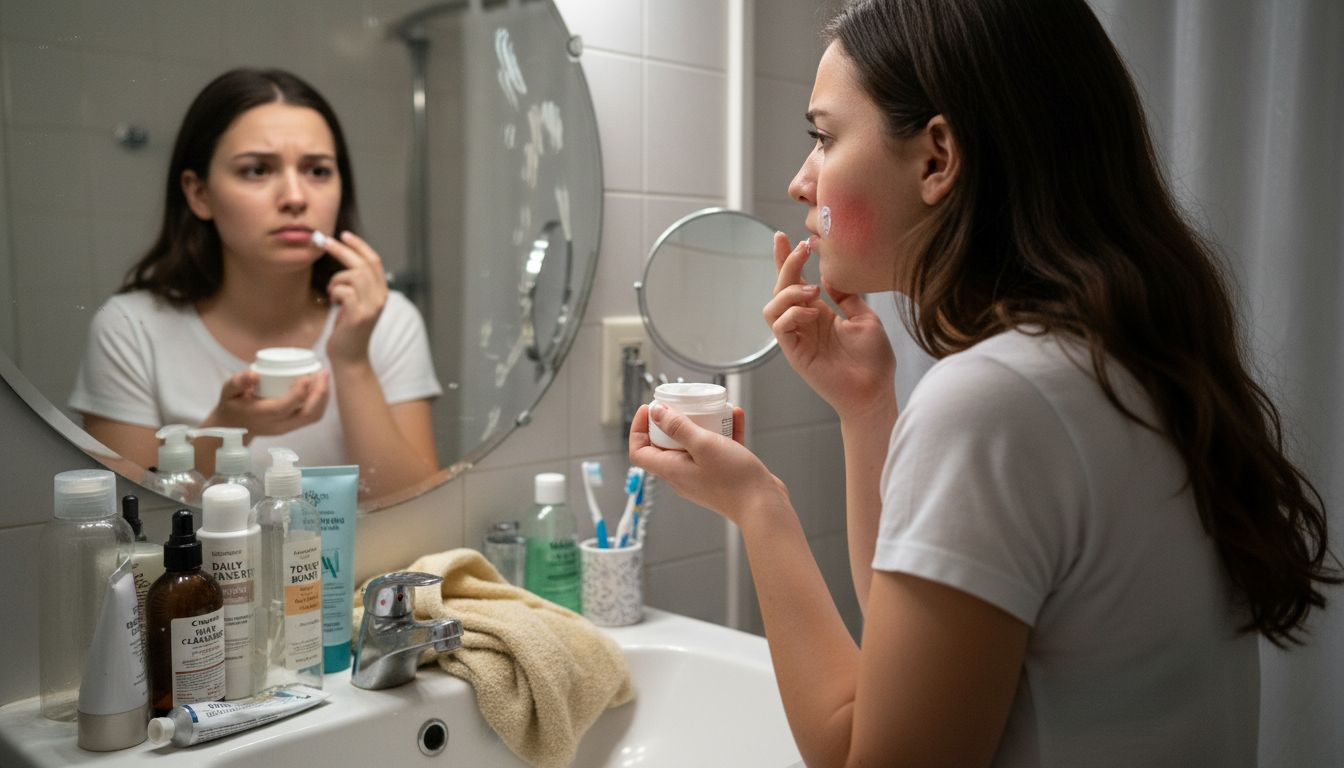
Pro tip: If your skin reacts to multiple products or symptoms worsen despite careful self-care, professional assessment prevents years of frustration and potential long-term damage.
The trial-and-error approach wastes money on unsuitable products whilst delaying effective solutions. Worse, it risks causing damage that takes months or years to reverse. Following best practices for sensitive skin means recognising when professional help becomes essential rather than optional.
Professional treatment modalities for sensitive skin
Professional therapies target sensitive skin’s underlying mechanisms with precision impossible through retail products alone. These interventions combine advanced formulations, clinical procedures, and expert oversight to restore barrier function and reduce reactivity safely.
Prescription moisturisers and barrier repair treatments deliver therapeutic ingredients at concentrations unavailable in cosmetics. These formulas restore barriers 65% more effectively than over-the-counter alternatives. They contain pharmaceutical-grade ceramides, prescribed anti-inflammatory agents, and targeted actives matched to individual conditions.
Micro-needling represents a breakthrough for chronic sensitivity. This controlled injury stimulates natural repair processes, strengthening barrier structures and normalising immune responses. Clinical studies show micro-needling reduces symptoms by 70% after a series of professional sessions. The treatment improves product absorption whilst triggering collagen production that fortifies compromised skin.
Other professional modalities include:
- Injectable treatments regulating inflammation and supporting lipid production
- LED light therapy reducing redness and accelerating healing
- Chemical peels formulated specifically for sensitive skin protocols
- Professional-grade antioxidant infusions protecting against environmental damage
Pro tip: Combining professional in-clinic treatments with prescribed home care creates synergistic effects that accelerate improvement beyond either approach alone.
| Treatment Type | Primary Benefit | Typical Improvement Timeline |
|---|---|---|
| Prescription barrier repair | Restores protective lipid layers | 4-8 weeks |
| Micro-needling | Strengthens skin structure, reduces reactivity | 8-12 weeks |
| Injectable anti-inflammatories | Controls chronic inflammation | 2-6 weeks |
| Professional peels | Gently resurfaces whilst protecting barrier | 6-10 weeks |
These approaches require clinical expertise to implement safely. The wrong treatment intensity or timing could worsen sensitivity, which is why professional oversight proves essential. Sensitive skin hydration protocols demonstrate how tailored professional programmes optimise outcomes through careful sequencing and monitoring.
Common misconceptions about sensitive skin care
Misunderstanding sensitive skin delays effective treatment and perpetuates ineffective self-care approaches. Three prevalent myths cause particular harm:
-
Sensitive skin is psychological rather than physiological. This outdated belief dismisses real biological dysfunction. Whilst stress can exacerbate symptoms, sensitive skin stems from measurable barrier impairment, immune dysregulation, and neurogenic inflammation. Dismissing it as “all in your head” prevents patients from seeking necessary medical care.
-
All sensitive skin responds identically to treatments. Sensitivity manifests through diverse mechanisms requiring different approaches. Rosacea-related sensitivity needs vascular-targeting treatments, allergic contact dermatitis requires trigger elimination, and barrier-compromised skin demands lipid replenishment. The belief that all sensitive skin is alike prevents effective personalisation.
-
Natural skincare products are inherently safer for sensitive skin. “Natural” carries no guarantee of gentleness. Essential oils, plant extracts, and botanical ingredients commonly trigger allergic reactions. Many synthetic ingredients prove gentler and more stable than natural alternatives. Safety depends on specific molecular structures, not source.
The evidence contradicts these myths decisively. Expert treatment achieves 75% symptomatic relief versus 40% with self-care, demonstrating the value of professional intervention over assumed wisdom. Understanding these misconceptions helps patients make informed decisions about when to seek specialist help.
Benefits of personalised professional care and regimens
Tailored treatment programmes transform sensitive skin management by addressing individual physiology, triggers, and lifestyle factors. Generic protocols ignore crucial variables that determine success or failure. Personalisation ensures every element serves the patient’s specific needs.
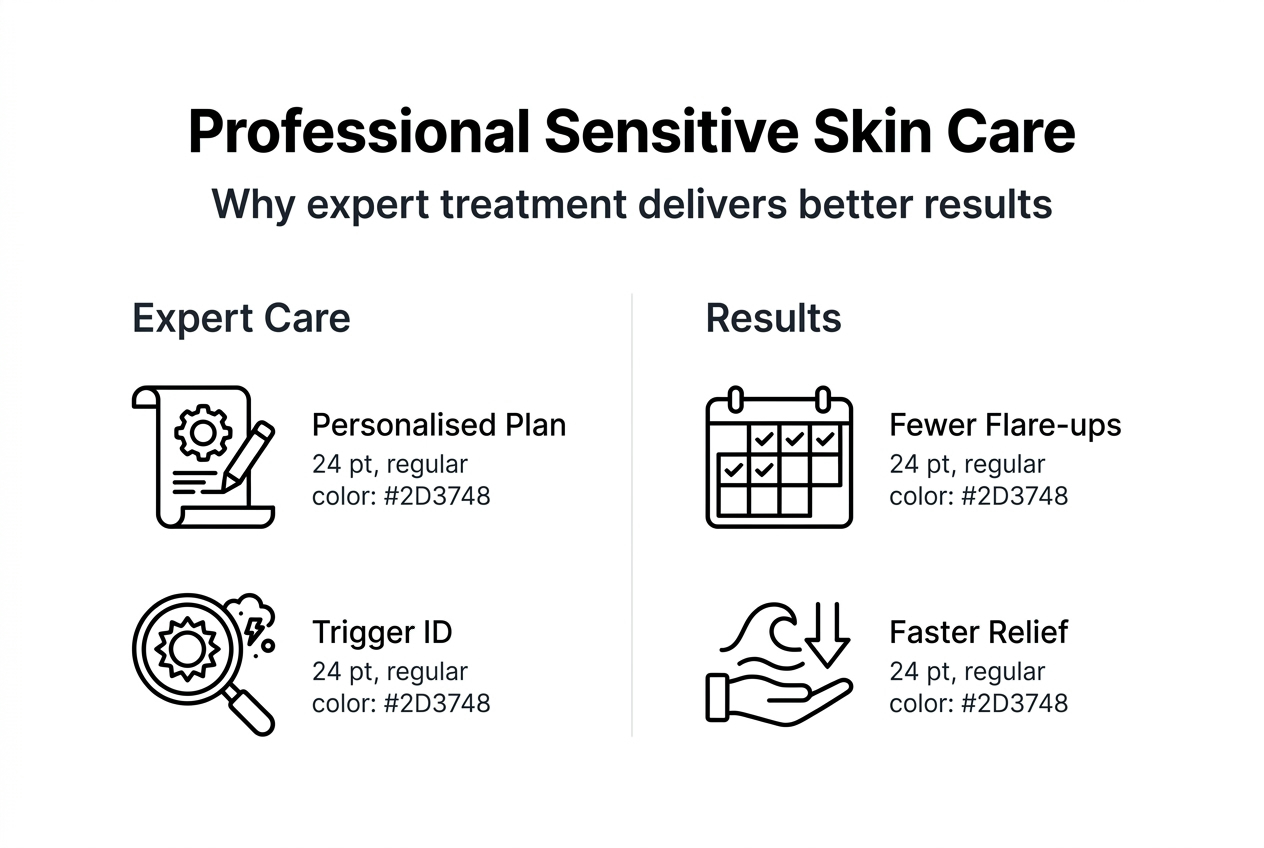
Personalised plans increase treatment adherence by 60% because patients understand why each step matters for their particular condition. When treatment makes sense and fits daily routines, consistency improves dramatically. This adherence directly translates to better outcomes.
Key advantages of customised professional regimens include:
- Precise trigger identification through systematic evaluation and testing
- Product selection based on individual tolerance and barrier status
- Treatment sequencing optimised for progressive improvement
- Lifestyle modifications tailored to realistic implementation
- Ongoing adjustments responding to progress and changing needs
Personalised approaches reduce flare-ups by 50% compared to standard protocols. This improvement reflects better trigger management and barrier support matched to individual deficiencies. Patients experience fewer setbacks and more consistent progress towards healthier skin.
| Approach | Adherence Rate | Flare-up Reduction | Symptom Duration |
|---|---|---|---|
| Generic over-the-counter | 35-40% | Minimal | Prolonged |
| Standard professional protocol | 55-60% | 25-30% | Moderate |
| Personalised professional plan | 85-90% | 50-55% | 35% shorter |
Combining professional treatments with guided home care amplifies results beyond either approach alone. Clinical procedures plus personalised regimens shorten symptom duration by 35% compared to single-modality treatment. This synergy addresses both immediate concerns and long-term barrier health.
Personalised skin hydration plans exemplify how tailored approaches consider climate, lifestyle, and individual barrier characteristics. The investment in professional personalisation pays dividends through faster improvement, fewer product failures, and sustainable long-term management.
Explore professional sensitive skin treatments at The M-ethod
After understanding why professional care delivers superior outcomes, choosing the right products and services becomes crucial. The M-ethod offers dermatologist-backed skincare solutions specifically formulated for sensitive, reactive skin. Their prescription-strength products support barrier repair whilst minimising irritation risk.
Professional-grade formulas like PCA Clearskin acne treatment serum address sensitivity alongside other concerns through carefully balanced actives. For delicate areas, intensive eye therapy from NEOSTRATA delivers targeted results without compromising gentle care principles. Even cleansing requires specialised attention, which is why options like NEOSTRATA exfoliating wash remove impurities whilst respecting compromised barriers.
The M-ethod combines expert product curation with personalised consultation services, helping you identify solutions matched to your specific sensitivity profile. Their approach aligns professional expertise with premium formulations, creating accessible pathways to healthier, more comfortable skin.
Frequently asked questions
How can I tell if my skin is truly sensitive or just dry?
Sensitive skin involves reactivity, stinging, burning, or visible redness in response to products or environmental factors, whereas dry skin primarily shows flaking, tightness, and roughness without significant reactivity. Sensitive skin may react to ingredients that don’t affect others, experiencing discomfort disproportionate to visible symptoms. Dry skin improves with basic moisturisation, whilst sensitive skin requires trigger avoidance and barrier repair. Professional assessment definitively distinguishes between these conditions through clinical evaluation and biophysical measurements.
Are natural skincare products always better for sensitive skin?
Natural products are not inherently safer for sensitive skin and can contain potent allergens like essential oils, botanical extracts, or plant compounds that trigger reactions. Many synthetic ingredients prove gentler and more stable than natural alternatives, with better-controlled purity and consistency. Safety depends on specific molecular structures and concentrations, not whether ingredients derive from plants or laboratories. Professional guidance helps identify genuinely suitable ingredients regardless of their “natural” marketing claims.
What should I expect during a professional sensitive skin assessment?
A thorough assessment includes medical history review, visual examination, and often biophysical measurements evaluating barrier function, hydration levels, and reactivity patterns. The specialist identifies potential triggers through systematic questioning about products, environment, and lifestyle factors. Diagnostic tools may measure transepidermal water loss, skin pH, or perform patch testing for suspected allergens. The process culminates in a personalised treatment plan addressing identified causes with tailored product recommendations and professional therapies.
Can professional treatment completely cure sensitive skin?
Sensitive skin represents a chronic predisposition requiring ongoing management rather than a condition that can be permanently cured. Professional treatment significantly reduces symptoms, improves quality of life, and prevents progression to more severe conditions, but underlying susceptibility typically remains. Most patients achieve substantial improvement and comfortable skin through consistent professional care and appropriate product selection. Long-term success requires periodic follow-up to adjust protocols as skin evolves and environmental factors change.
How long before professional treatment shows visible results?
Most patients notice initial improvements within four to six weeks of starting professional treatment, though complete resolution may take three to six months depending on severity and underlying causes. Prescription barrier repair products often deliver measurable changes within the first month, whilst procedures like micro-needling show progressive improvement over multiple sessions. Consistency with personalised protocols accelerates results, and combining professional treatments with guided home care produces faster outcomes than either approach alone. Patience proves essential as barrier restoration and immune normalisation require time to stabilise.