




How to choose serums for your skin type and concerns
TL;DR:
- Choosing the right facial serum depends on knowing your skin type, primary concern, and matching those with effective active ingredients. Proper application and limited layering enhance results and prevent irritation.
Choosing the right facial serum comes down to three things: knowing your skin type, identifying your primary concern, and matching those to the correct active ingredient. Start by observing your skin 30 minutes after cleansing. If it looks shiny all over, you have oily skin. Tight and flaky means dry. A shiny T-zone with comfortable cheeks points to combination. From there, the serum selection process becomes far more straightforward.
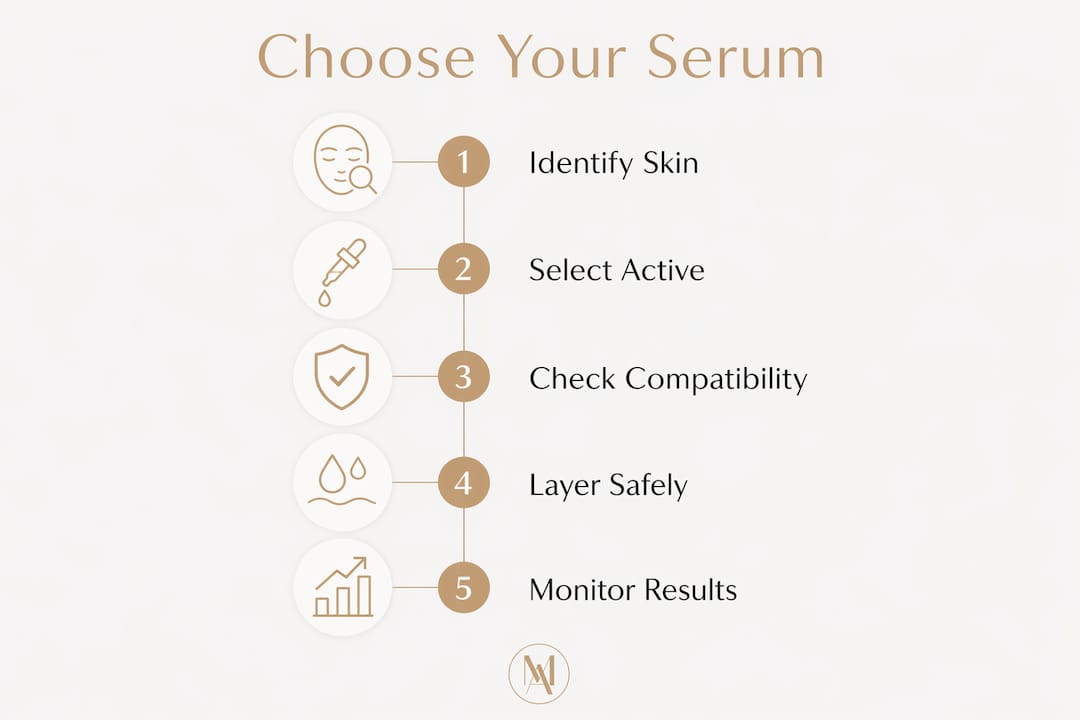
Here is a quick-reference framework before we go deeper:
- Identify your skin type using the 30-minute post-cleanse test
- Define your primary concern: hydration, brightening, acne control, or anti-ageing
- Match your active ingredient: hyaluronic acid for hydration, vitamin C for brightening, retinol for anti-ageing, salicylic acid for acne
- Choose the right texture: lightweight gels for oily skin, oil-based or cream-serum hybrids for dry skin
- Limit layering to two serums per routine and keep incompatible actives separated by time of day
- Patch test every new serum on a small area before applying it to your full face
Get these six steps right and you will avoid the most common serum mistakes: buying on brand reputation, layering too many actives at once, and expecting overnight results.
What are face serums and how do they work?
A facial serum is a lightweight, highly concentrated liquid formulated around active ingredients designed to penetrate deeper than a standard moisturiser. Unlike creams, which sit on the skin’s surface to lock in moisture, serums are the treatment step. They deliver potent actives directly to the skin, targeting specific concerns such as fine lines, pigmentation, dehydration, or acne.
You typically apply just a few drops after cleansing and before moisturising. That sequence matters: the skin is clean, the pores are clear, and the actives reach the skin first before heavier products create a barrier. As Dr. Abigail Waldman of Harvard Medical School explains, serums are “highly concentrated formulations that are designed to sink into the skin quickly, delivering an intensive dose of ingredients.”
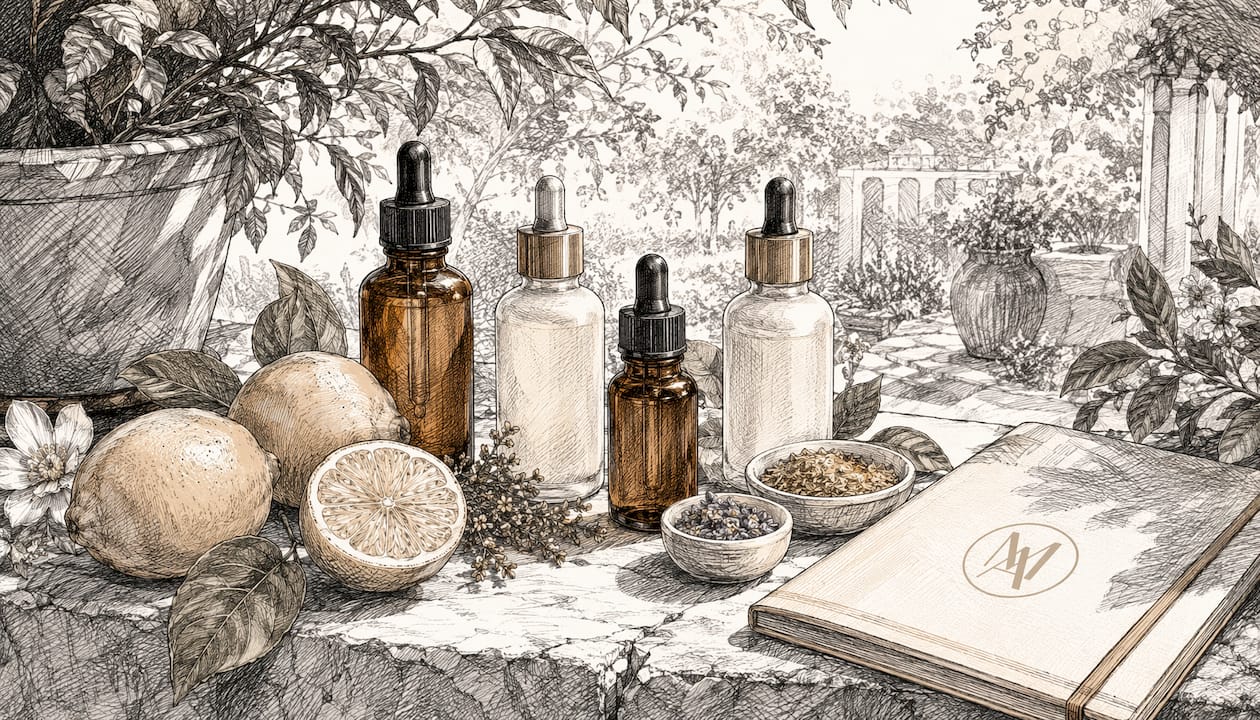
Packaging is not cosmetic. Vitamin C (L-ascorbic acid) oxidises when exposed to air and light, so opaque or airless pump containers preserve efficacy far longer than clear dropper bottles. Retinol degrades under UV. The container your serum comes in directly affects how long the formula stays active. A well-formulated serum in poor packaging will underperform a simpler formula stored correctly.
How to understand your skin type before picking a serum
Getting your skin type right is the foundation of any serum selection. The British Skin Foundation recommends the 30-minute post-cleansing test as a reliable, practical method: wash with a gentle cleanser, pat dry, and check the mirror after half an hour without applying anything.
The five skin types and what they tell you about serum texture:
- Oily: Shiny across the whole face, enlarged pores, prone to congestion. Lightweight gel or water-thin serums absorb without adding grease.
- Dry: Tight, dull, or flaky. Richer oil-based serums and cream-serum hybrids replenish the lipid barrier.
- Combination: Shiny T-zone, comfortable or dry cheeks. A lightweight serum applied all over works well; target oilier zones with a second product if needed.
- Sensitive: Prone to redness, stinging, or reactions. Fragrance-free formulas with shorter ingredient lists reduce the risk of flare-ups.
- Normal: Comfortable, even, no obvious concerns. Most textures work; choose based on your primary skincare goal rather than skin type alone.
Skin type is not fixed. It shifts with the seasons, hormonal changes, and age. A routine that worked perfectly in summer may feel too light by november. Revisit your skin type assessment every few months rather than treating it as a permanent label.
Key ingredients in serums and their skincare benefits
The active ingredient is what makes a serum work. Everything else in the formula supports delivery, stability, or skin feel. Here are the six most clinically supported actives you will encounter:
Vitamin C (L-ascorbic acid) brightens skin, inhibits melanin production, and provides antioxidant protection against UV-induced oxidative stress. It is most effective at effective concentrations in a moderate range. Sensitive skin should start at 10%; resilient skin can push toward 20%. Going beyond that increases the risk of stinging without proportional benefit.
Retinol accelerates cell turnover and stimulates collagen production, making it the gold standard for anti-ageing. The key is starting low. Gradually increasing concentration every few weeks build skin tolerance safely and prevent the barrier damage that comes from jumping straight to a high-strength formula.
Salicylic acid (BHA) works inside oily pores to dissolve sebum and dead skin cells. Typical concentrations for acne range from 0.5–2%. It is the most targeted fix for blackheads, enlarged pores, and congestion-prone skin.
Niacinamide reduces inflammation, regulates oil production, and improves uneven skin tone. It is one of the most versatile actives available, well tolerated by sensitive and combination skin alike, and pairs well with almost every other ingredient.
Hyaluronic acid (HA) acts as a humectant, binding moisture and plumping the skin. It works across all skin types and can be used twice daily as a baseline hydrating serum. For best results, apply it to slightly damp skin so the humectant has surface moisture to bind.
Squalane mimics the skin’s natural sebum, making it an exceptionally lightweight hydrator that absorbs without clogging pores. It is particularly useful for dry and sensitive skin types that find heavier oils too rich.
Pro Tip: Start with the lowest effective concentration of any new active and build gradually. Introducing a high-strength retinol or acid serum too quickly is the most common cause of barrier damage and the reason many people give up on an ingredient that would have worked at a lower dose.
Avoid combining vitamin C and retinol in the same application. Both are potent, and layering them together can cause excessive irritation. Vitamin C belongs in your morning routine; retinol goes on at night.
How to choose serums for different skin types and concerns
Matching your serum to your skin type and primary concern is more effective than buying a multi-concern formula that tries to do everything. Multi-active serums often dilute individual ingredients below the threshold needed for visible results. One targeted serum used consistently outperforms three mediocre ones layered together.
Use this as your starting framework:
- Oily or acne-prone skin: A lightweight vitamin C serum in the morning addresses dullness and post-acne marks without adding grease. A salicylic acid serum used a few evenings per week targets congestion and enlarged pores.
- Dry skin: Hyaluronic acid is the baseline. Layer a richer oil-based serum or a cream-serum hybrid underneath your moisturiser for additional lipid support, particularly in winter.
- Combination skin: A gel-texture niacinamide serum applied all over balances oil in the T-zone while staying gentle on drier areas.
- Sensitive skin: Start with hyaluronic acid or a fragrance-free niacinamide formula. Introduce any stronger active (vitamin C, acids, retinol) only once your barrier feels stable and comfortable.
- Ageing or mature skin: Retinol at night and vitamin C in the morning form a well-evidenced pairing. For those new to retinol, peptide serums offer collagen-supporting benefits with a gentler tolerance profile.
- Hyperpigmentation or uneven tone: Vitamin C is the first-line active. Pair it with alpha arbutin or kojic acid for more targeted melanin regulation. For a deeper look at ingredient options, our guide to serums for uneven skin tone covers the full spectrum.
If you are addressing two concerns, use one serum in the morning and a different one at night rather than stacking both into a single routine. Adjust your selections seasonally: a lightweight antioxidant gel in summer, a richer hydrating serum in winter.

Safe serum layering and how to use them correctly
Layering serums is where most people go wrong. Dermatologists recommend limiting layering to two serums per routine to avoid overwhelming the skin’s absorption capacity. More than two actives at once rarely improves results and frequently causes irritation.
The rules for safe layering:
- Apply thinnest to thickest: Water-thin liquids go first, followed by gels, then cream-serum hybrids. This sequence allows each layer to penetrate before the next creates a barrier.
- Separate conflicting actives by time of day: Vitamin C in the morning (it pairs with SPF for enhanced antioxidant protection), retinol at night (it degrades in sunlight). AHAs and retinol should alternate evenings rather than appear in the same routine.
- Patch test every new serum: Apply a small amount to your inner forearm or behind your ear. Wait 24 hours and check for redness, itching, or bumps before applying to your face.
- Introduce one new serum at a time: Adding two new actives simultaneously makes it impossible to identify which one caused a reaction.
- Use exfoliating acids sparingly: AHAs and BHAs are typically well tolerated once or twice weekly, depending on skin sensitivity.
For a detailed breakdown of how to sequence your full routine, our guide on layering active skincare correctly covers the logic behind every step.
Pro Tip: When combining actives with different pH requirements, such as a low-pH vitamin C serum followed by niacinamide, wait 2–3 minutes between layers. That short pause allows the skin’s pH to normalise and helps each active perform at its best.
How to read serum labels and spot potential irritants
Ingredient lists follow a strict rule: ingredients appear in descending order by concentration. The first five ingredients make up the bulk of any formula. If your target active appears near the bottom of a long list, you are getting trace amounts unlikely to produce visible results.
Look for concentration percentages where listed. Vitamin C is most effective within a moderate concentration range; salicylic acid for acne typically ranges from 0.5–2%; retinol shows results starting at 0.25% for beginners. When a brand does not publish its active ingredient percentage, comparison becomes impossible. Two serums at the same price point: choose the one that tells you exactly what is inside.
Watch for common irritants, particularly if your skin is reactive:
- Fragrance (synthetic or natural) is the most frequent cause of contact dermatitis in skincare
- Essential oils can sensitise skin over time, even when tolerated initially
- Denatured alcohol high on the ingredient list strips the skin barrier
- Methylisothiazolinone, a preservative linked to allergic reactions, appears in some water-based formulas
pH matters for certain actives. Vitamin C (L-ascorbic acid) requires a pH below 3.5 to penetrate effectively. AHAs and BHAs need a pH between 3–4 to exfoliate properly. A product that does not disclose its pH may not be formulated to deliver results, regardless of what the label claims.
How to evaluate serum marketing claims
Serum marketing has become extraordinarily sophisticated, and not always in the consumer’s favour. A few principles cut through the noise.
Active ingredient concentration is the single most predictive factor for results. A serum with 10% L-ascorbic acid in an airless pump will outperform a luxury serum with an undisclosed concentration in a clear glass bottle. Brand name does not correlate with efficacy in published dermatology research. As Harvard Health notes, “more important than price are the ingredients in the serum.”
Watch for vague claims. “Clinically proven” without a published study, a sample size, or a named institution is marketing language, not science. “Dermatologist tested” means a dermatologist applied the product to skin and observed no immediate reaction. It does not mean the formula was tested in a controlled trial for efficacy.
Packaging is a genuine quality signal. Airless pumps protect photosensitive actives from oxidation with every use. Dropper bottles introduce air each time you open them. Jars expose the entire formula to air and light repeatedly. A serum in a jar is rarely the right choice for vitamin C or retinol, regardless of the price.
One underappreciated factor is shelf stability. A mid-range serum in an airless pump may cost more per bottle but maintain full potency throughout its lifespan, while a cheaper dropper-bottle formula loses effectiveness halfway through. Calculate the cost per week of effective use rather than the sticker price alone.
Budget considerations and what to expect at different price points
Effective serums exist at every price point. The relationship between cost and results is weak at best. What actually drives performance is ingredient concentration, formulation stability, and packaging quality. An affordable serum with an effective formulation can outperform an expensive serum with niacinamide listed tenth on the ingredient list.
Where to focus your budget:
- Concentration of the active ingredient: The percentage matters more than the brand name above it
- Formula stability: Stable forms of actives (encapsulated retinol, ascorbyl glucoside as a more stable vitamin C derivative) often justify a modest price premium
- Packaging: Airless pumps and opaque containers cost more to produce and preserve the formula longer
- Supporting ingredients: Ceramides, panthenol, and barrier-supporting humectants enhance the serum’s overall effect
Where you can save money: skip serums with long lists of “exotic” ingredients that do not address your specific concern. A formula with 15 botanical extracts and 2% niacinamide is less effective than one with 10% niacinamide and a clean supporting cast. Buying a larger size of a formula that works for you is almost always better value than buying multiple smaller serums chasing marginal differences.
Give any serum several weeks of consistent daily use before judging it. Skin cell turnover takes roughly 28 days, so visible changes require at least two full cycles. The exception: if a serum causes persistent burning, redness, or new breakouts after a week, stop and reassess.
Key takeaways
Choosing the right serum requires matching active ingredients to your specific skin type and primary concern, not chasing brand names or the highest price point.
| Point | Details |
|---|---|
| Identify skin type first | Use the 30-minute post-cleanse test to confirm oily, dry, combination, sensitive, or normal skin before buying. |
| Match active to concern | Vitamin C for brightening, retinol for anti-ageing, salicylic acid for acne, hyaluronic acid for hydration. |
| Limit layering to two serums | More than two actives per routine rarely improves results and frequently causes irritation. |
| Start low, build gradually | Begin at the lowest effective concentration and increase every 4–6 weeks to build tolerance safely. |
| Them-ethod for expert guidance | Them-ethod offers dermatologist-recommended serums and virtual skin consultations to match the right formula to your skin. |
The case for patience over product-hopping
There is a tendency in skincare to treat a serum like a test you can grade after a week. That instinct is understandable, but it is also the reason most people never see the results a formula is capable of delivering.
Collagen-stimulating ingredients like peptides and retinol require 8–12 weeks for visible structural change. That timeline is not a marketing caveat; it reflects the biology of skin cell turnover and collagen remodelling. Consistent use over weeks matters more than finding the theoretically perfect serum, because switching products too quickly prevents you from ever reaching the point where long-term benefits become visible.
The other thing worth saying plainly: price is not a proxy for quality. Harvard Medical School’s Dr. Waldman puts it directly: “I don’t think price makes a difference.” What matters is the formulation, the concentration, and the packaging. A well-chosen mid-range serum used consistently for three months will outperform an expensive one applied sporadically for two weeks.
We also think the skincare industry undersells the value of simplicity. One targeted serum addressing your primary concern, used correctly and consistently, produces better outcomes than a complicated six-step routine full of overlapping actives. Start with hyaluronic acid to stabilise hydration. Add vitamin C in the morning once your skin is comfortable. Introduce retinol at night only when your barrier feels settled. That sequence, applied patiently, covers the majority of skin concerns most people actually have.
The serums that work are rarely the ones trending on social media. They are the ones with the right active at the right concentration, in packaging that keeps the formula stable, used consistently enough for the skin to respond.
Them-ethod: expert serum selection without the guesswork
Knowing which serum to choose is one thing. Finding a trusted source for prescription-strength, dermatologist-recommended formulas is another. Them-ethod is a UK-based premium skincare platform offering a curated edit of clinically effective serums across every concern, from pigmentation and acne to anti-ageing and barrier repair. As a UK Obagi Ambassador Clinic, Them-ethod also provides virtual skin consultations with top clinicians, so you receive personalised guidance rather than a generic recommendation. For those seeking more advanced results, in-clinic treatments including SkinPen micro-needling, Profhilo, and HIFU are available in London and Athens. Explore the full range of expert skincare solutions at Them-ethod and find the formula your skin actually needs.
Useful sources and further reading
Internal resources from Them-ethod:
- How to layer active skincare correctly
- How serums transform your advanced skincare routine
- A smart guide to antioxidant serums
- How to choose a peptide serum that works
- Best serum for uneven skin tone
- 10 best peptide serums for ageing skin
External authoritative sources:
- Skin serum: What it can and can’t do, Harvard Health
- Identifying your skin type, British Skin Foundation
- What is retinol good for? Which?
- How to patch test cosmetics and serums, Hollyberry Cosmetics