




Skin Journal
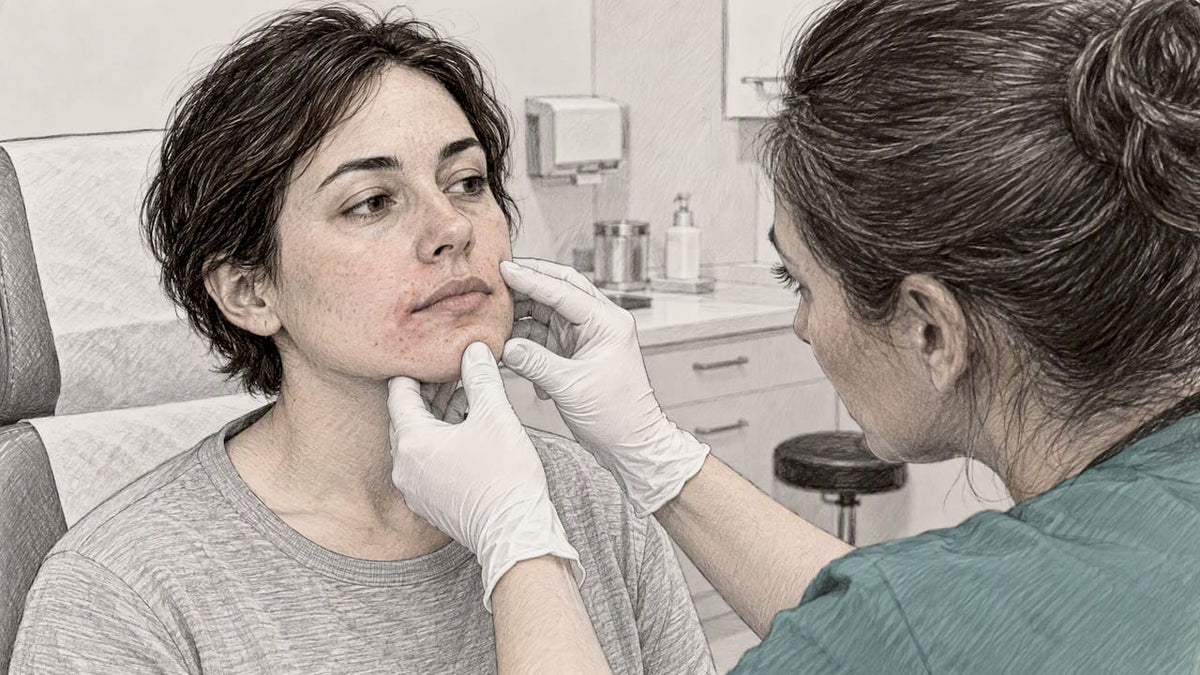
Perioral Dermatitis Treatment: What Works and What to Avoid
How perioral dermatitis is treated: zero therapy, prescription creams, antibiotics, a safe skincare routine and when to see a clinician. A clear guide.
Read more
HIFU Aftercare: What to Do and Avoid After Treatment
What to do after HIFU: the first 48 hours, the first week, sun protection, what to skip and when to call your clinician, plus a realistic results timeline.
Read more
Hydroquinone prescription online: how to get it safely in the US
How to get a hydroquinone prescription online in the US: what the FDA says, what a real consultation involves, safety checks and red flags to avoid.
Read more
Collagen Supplements for Skin: What the Evidence Says
Do collagen supplements work for skin? We weigh the latest meta-analyses, explain peptides, marine vs bovine, dosage and safety, and what to pair them with.
Read more
Azelaic Acid in Pregnancy: 4% Absorption and Clinical Guidance
Clinical guidance from ACOG, MotherToBaby, and LactMed supports topical azelaic acid use in pregnancy. Learn how to start gently and reduce irritation.
Read more
Niacinamide vs Azelaic Acid: Match Acne, Redness, or Oil
Compare niacinamide and azelaic acid by acne, pigmentation, redness, oiliness, and sensitivity, then learn how to use them and when to consult a clinician.
Read more
Botox vs Fillers: Match Lines, Lips, and Cheeks to the Right Treatment
Compare Botox and fillers for forehead and smile lines, lip volume, and hollow cheeks, then learn what to ask a clinician about risks and planning.
Read more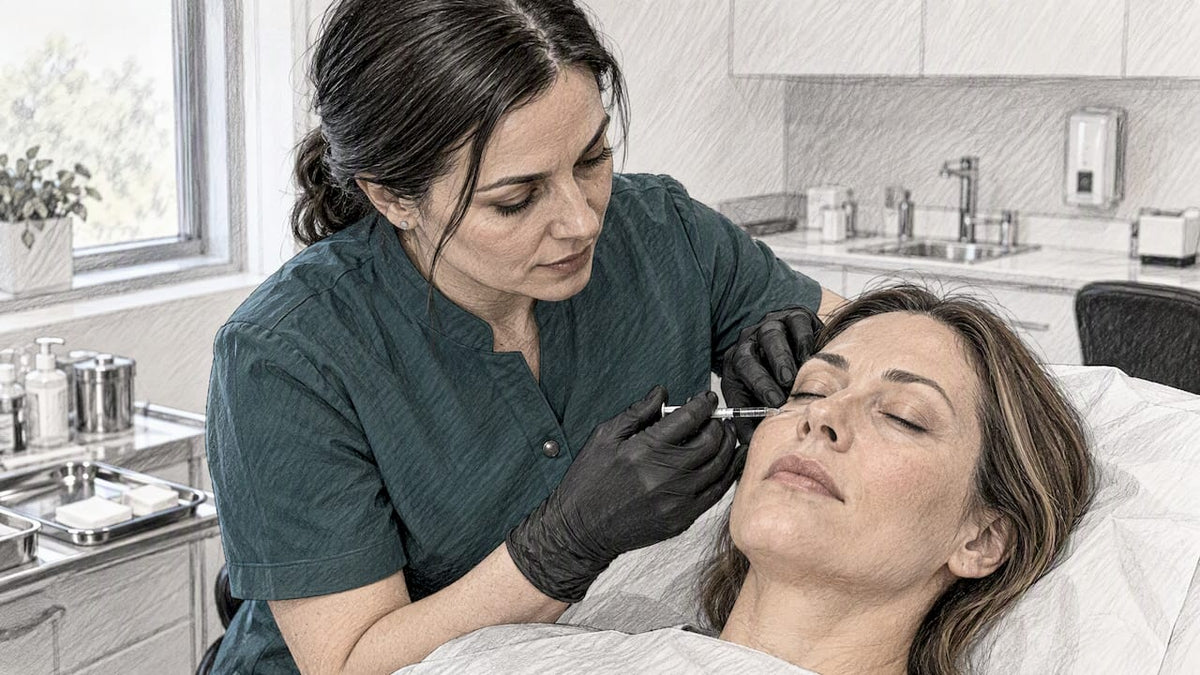
Tear Trough Filler Risks: 10% Swelling, Sudden Vision Changes
Understand tear trough filler risks, from delayed swelling to urgent vision changes, and learn what to ask before choosing a clinician or booking treatment.
Read more
Microneedling Downtime: Plan Around the 48 Hour Redness Peak
Plan work and social events around microneedling downtime with a daily recovery timeline, aftercare rules, and warning signs that warrant a call to your...
Read more
Tretinoin Strengths: Why 0.025% Can Rival 0.1%
Compare tretinoin strengths with evidence on 0.025% versus 0.1%, irritation, formulations, and clinician guidance to choose a tolerable starting point.
Read more