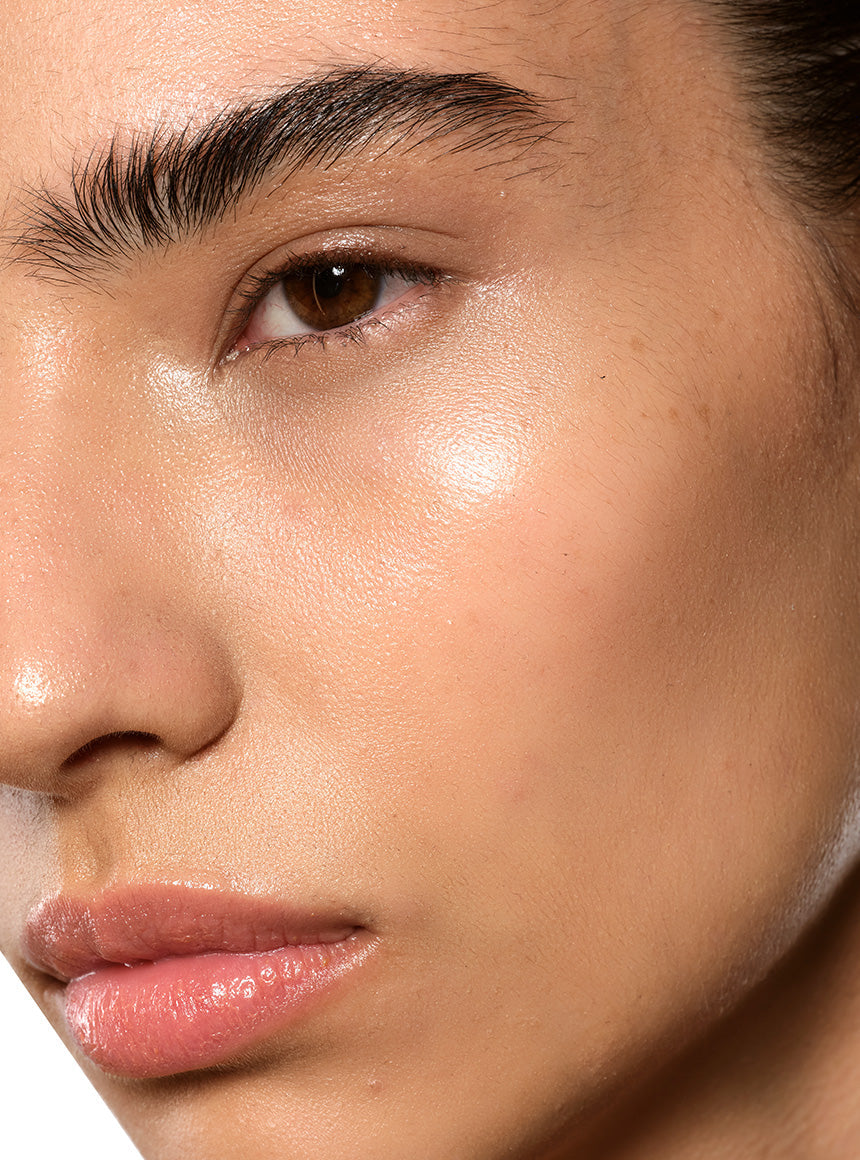





How to Brighten Dull Tired Skin Effectively
Dullness is rarely a single-symptom concern. When skin looks tired, grey or lacklustre, it is often signalling a combination of slower cell turnover, dehydration, uneven pigment, daily UV exposure and a compromised barrier. Knowing how to brighten dull tired skin starts with treating those causes strategically, rather than reaching for the strongest exfoliant in your cabinet.
The most luminous complexions are not necessarily the most aggressively treated. They are well protected, consistently renewed and supported by ingredients that improve tone and texture without creating inflammation. That distinction matters, particularly if you are prone to pigmentation, sensitivity, rosacea or post-inflammatory marks.
Why skin begins to look dull and tired
Healthy skin reflects light evenly. As dead cells accumulate at the surface, light scatters irregularly, making the complexion appear rougher and less radiant. This can happen naturally as cell turnover slows with age, but it is also accelerated by stress, poor sleep, central heating, travel, over-cleansing and unsuitable active ingredients.
Dehydration creates a different kind of dullness. Fine lines appear more pronounced, the skin can feel tight yet look flat, and make-up may sit unevenly. A depleted barrier allows water to escape more readily, so even an excellent brightening serum may underperform if the skin is not adequately moisturised.
Pigmentation is another frequent contributor. Sun exposure, hormonal shifts, acne and irritation can all trigger excess melanin production. In deeper skin tones, even subtle inflammation can leave noticeable discolouration, which is why indiscriminate scrubbing or repeated strong peels can make a dull complexion worse rather than better.
How to brighten dull tired skin without over-exfoliating
A high-performance routine should be built in layers: cleanse gently, renew with intention, target uneven tone, replenish moisture and protect the gains every morning. Results come from consistency and compatibility, not from using every active ingredient at once.
Begin with a barrier-respecting cleanse
If your skin feels squeaky after cleansing, your cleanser may be removing more than make-up, sunscreen and daily impurities. That tight feeling is not proof of cleanliness. It can indicate disruption to the lipids that keep the barrier comfortable and resilient.
Choose a low-irritation cream, gel-cream or oil-based cleanser according to your skin type, and reserve a more clarifying formula for genuinely oily or congestion-prone skin. In the morning, a gentle cleanse or simply a thorough rinse may be sufficient for dry, reactive complexions. At night, remove sunscreen and make-up completely, but avoid prolonged rubbing and very hot water.
Exfoliate for clarity, not sensitivity
Exfoliation can rapidly improve the look of dull skin because it smooths the outermost layer of dead cells. The trade-off is that too much exfoliation weakens the barrier, increases redness and can provoke pigment in skin that is susceptible to it.
For most people, a well-formulated leave-on acid one to three evenings a week is more effective than a harsh scrub used daily. Lactic acid is often a refined choice for dry or mature skin because it offers surface exfoliation while supporting hydration. Mandelic acid can suit acne-prone or more reactive skin, while salicylic acid is valuable when blocked pores and oiliness are part of the picture.
Do not treat frequency as a measure of efficacy. If your skin stings when applying bland moisturiser, becomes persistently flaky or looks shinier but feels tight, pause exfoliation and focus on recovery. Those managing melasma, eczema, rosacea or deeper post-inflammatory pigmentation should be especially conservative and seek personalised guidance before introducing stronger acids or at-home peels.
Use retinoids to refine texture over time
Retinoids remain among the most credible ingredients for improving uneven texture, fine lines and visible signs of photodamage. They support epidermal renewal and, over time, can help the skin look clearer, smoother and more reflective.
They are not an overnight brightening fix. Introduce a retinoid two evenings a week, apply a pea-sized amount to dry skin, then increase only when your skin is comfortable. Avoid using it on the same evening as an exfoliating acid at first. A moisturiser before and after application can reduce irritation for dry or sensitive skin, although very resilient, oily skin may prefer a more direct approach.
Retinoids are not appropriate during pregnancy or breastfeeding unless specifically approved by your healthcare professional. If you have significant sensitivity, an alternative vitamin A derivative or a carefully selected peptide-led treatment may offer a more tolerable route to improved texture.
Target uneven tone with proven brightening ingredients
Radiance is more convincing when tone is even. Vitamin C is a cornerstone ingredient here, particularly in the morning, where it complements sunscreen by providing antioxidant support against environmental stress. L-ascorbic acid has strong clinical evidence, but it can be too active for some skins. Stable vitamin C derivatives can be a more elegant option where sensitivity is a concern.
For persistent discolouration, look beyond one hero ingredient. Niacinamide can support the barrier while helping to improve uneven tone. Azelaic acid is particularly useful when dullness sits alongside redness, acne or post-inflammatory marks. Tranexamic acid, alpha arbutin and liquorice root are also intelligent additions to a regimen designed around pigmentation.
The right choice depends on the nature of the concern. Diffuse sallowness and rough texture often respond well to measured exfoliation and retinoids. Brown patches, acne marks and melasma need longer-term pigment management and meticulous UV protection. If pigmentation is new, changing, extensive or resistant to a consistent routine, a professional assessment is the more efficient next step.
Treat hydration as a brightening treatment
A hydrated complexion appears fuller, smoother and more light-reflective. Humectants such as glycerin, hyaluronic acid and polyglutamic acid draw water into the upper layers of the skin, but they work best when followed by moisturising ingredients that reduce water loss.
Look for ceramides, cholesterol, fatty acids, squalane and nourishing emollients in your moisturiser. This is not simply a comfort step. A stable barrier improves tolerance to retinoids, acids and vitamin C, allowing a clinically active routine to work without the cycle of irritation and recovery.
In colder months, after flights or during periods of stress, it may be wise to reduce exfoliation and increase barrier support temporarily. Skin does not need the same intensity in every season. Adjusting your routine is a sign of expertise, not inconsistency.
Daily sunscreen is the non-negotiable step
No brightening routine can outrun unprotected UV exposure. UVA contributes to pigment changes, collagen breakdown and loss of clarity throughout the year, including on cloudy days and through windows. Visible light can also worsen melasma and hyperpigmentation, especially in deeper skin tones.
Apply a broad-spectrum SPF 30 or, ideally, SPF 50 every morning as the final step in your skincare routine. Use enough product for the face, neck and any exposed chest area, and reapply when spending time outdoors. Tinted formulas containing iron oxides can provide added support for those concerned with visible-light-induced pigmentation, while also offering a polished, complexion-evening finish.
A considered weekly rhythm for brighter skin
Rather than layering every active nightly, create a rhythm your skin can sustain. A simple evening schedule might alternate retinoid nights with recovery nights, then use an exfoliating treatment once or twice weekly in place of retinoid. Recovery nights should centre on hydration and barrier lipids.
In the morning, antioxidant protection, moisturiser where needed and high-factor sunscreen make an elegant foundation. This structure is deliberately restrained. It leaves room to observe your skin, identify what is working and avoid the irritation that often disguises itself as a temporary "purge".
At The M-ethod Aesthetics, a personalised consultation can help distinguish whether your dullness is primarily driven by dehydration, pigmentation, congestion, sensitivity or photoageing. That clarity prevents expensive product overlap and makes premium skincare work harder for you.
When tired-looking skin needs more than skincare
If dullness is accompanied by sudden pallor, persistent fatigue, unexplained hair shedding, dramatic dryness or changes in your general wellbeing, consider speaking with your GP. Skincare can refine the surface of the complexion, but it cannot address iron deficiency, thyroid concerns, hormonal change or other health factors.
For established sun damage, pronounced pigmentation, textural scarring or deeper lines, in-clinic treatments may complement a home regimen. The best treatment plan depends on skin tone, sensitivity, downtime tolerance and the quality of your daily aftercare. A treatment is only as successful as the routine that protects its results afterwards.
Give your skin six to twelve weeks of calm, consistent care before judging a new regimen. The goal is not a fleeting glow from irritation or over-exfoliation. It is skin that feels comfortable, looks even and holds its radiance long after the first good-skin day.